12-02-2026
Year 4 investigate how to stop microplastics reaching our oceans!

This week, Year 4 turned into young environmental scientists as they carried out an exciting experiment linked to our science topic on human impact on the environment particularly focussing on plastic pollution.
Their mission?
To investigate which everyday material would make the most effective filter to stop microplastics entering our seas and oceans.
But instead of using real microplastics – which could be harmful – we used sand as an eco‑friendly substitute. This helped us safely model how plastics might behave when washed into water systems.
Our filtering materials:
The children tested six different materials to see which could trap the “microplastics” (sand) while still allowing water to pass through:
- Cotton wool
- Scouring pad
- Paper towel
- Felt
- Sponge
- Cloth
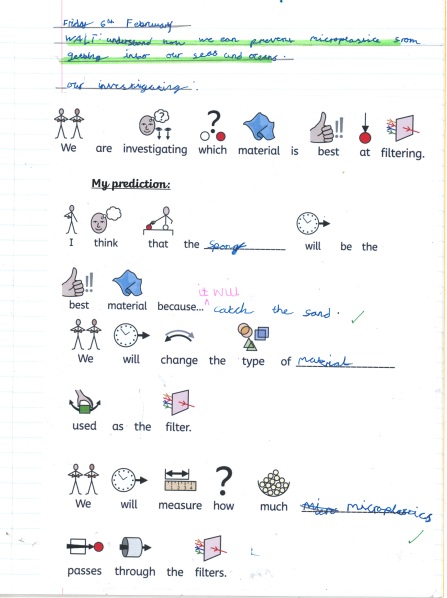
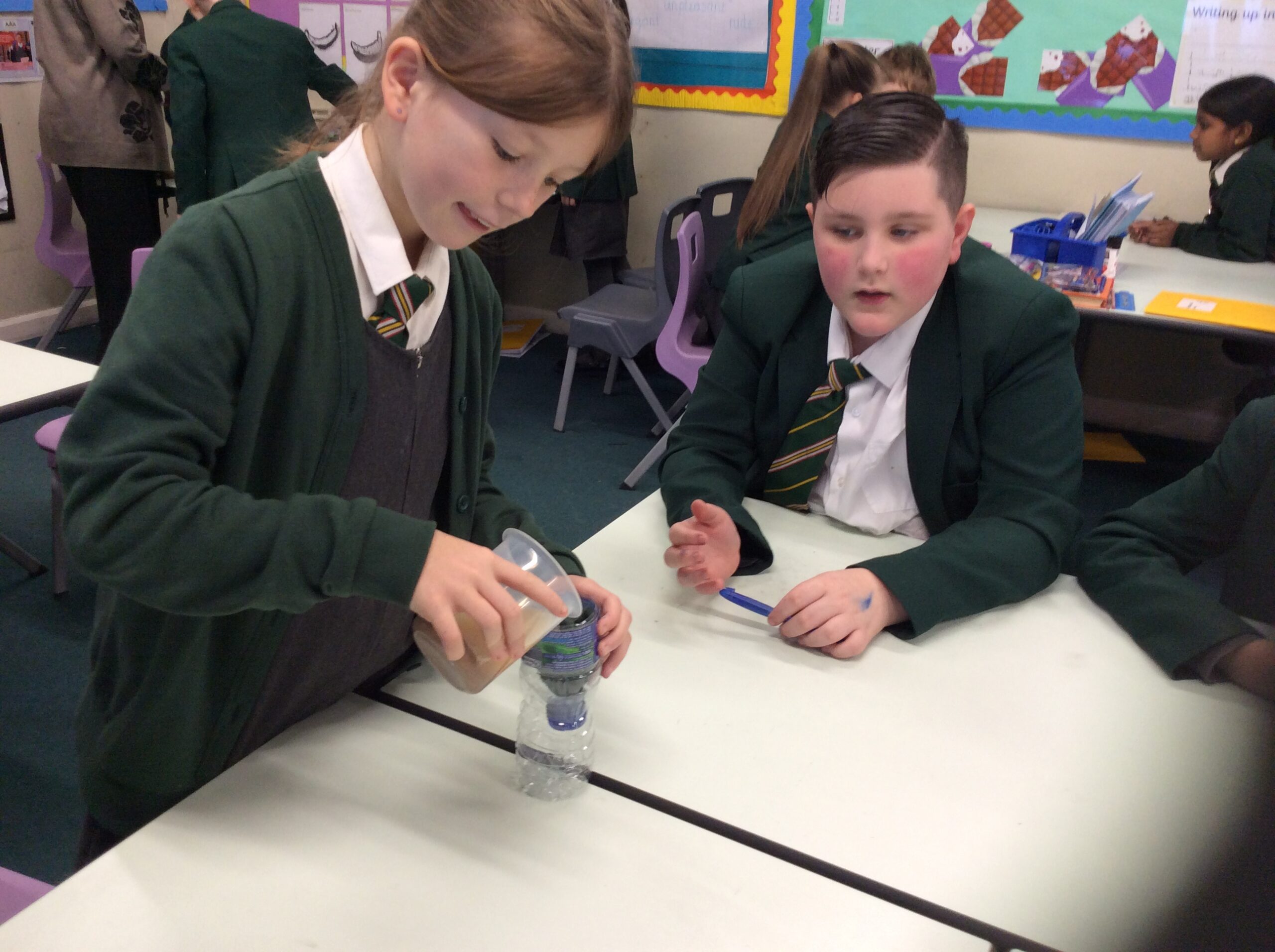
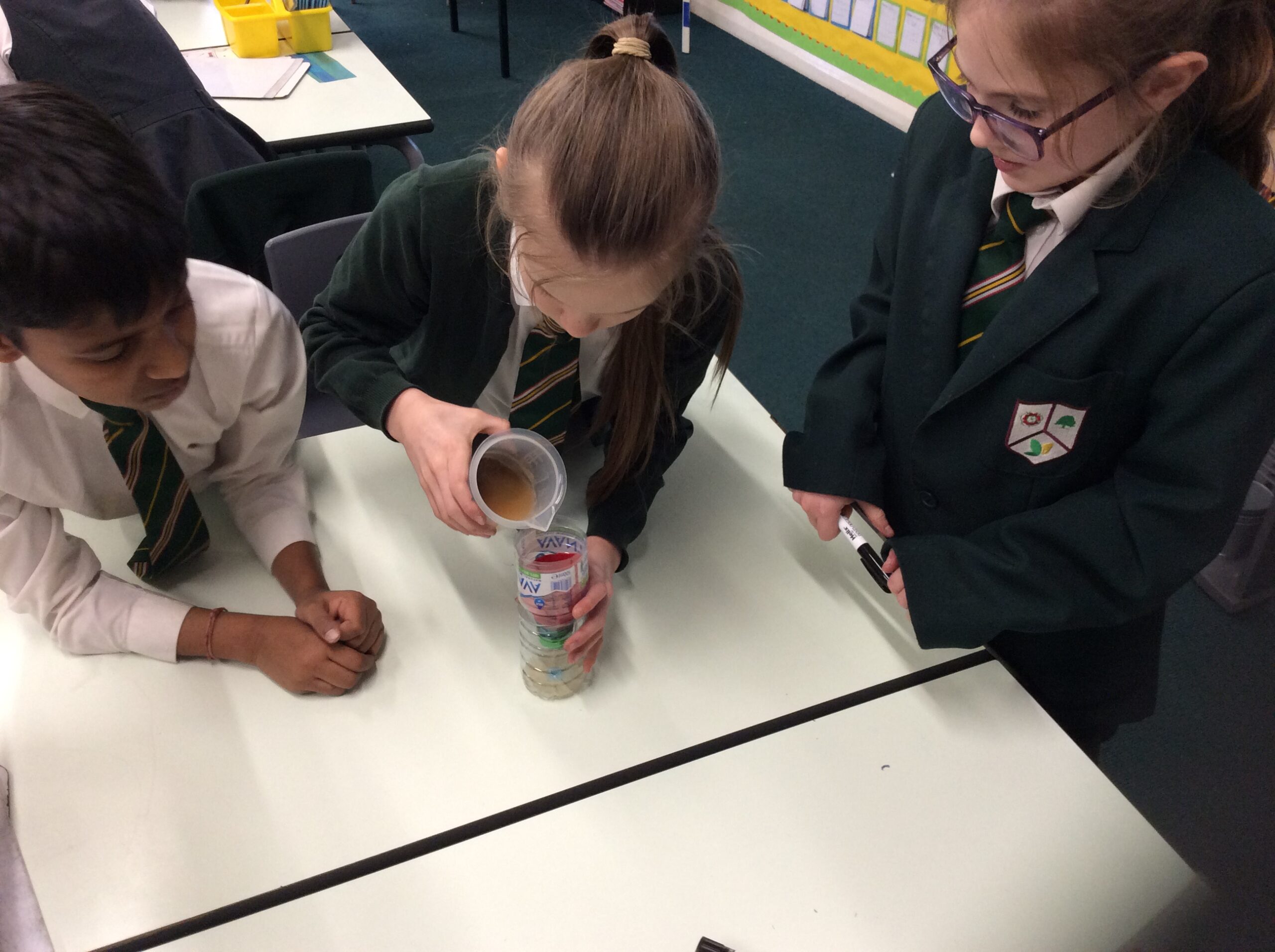
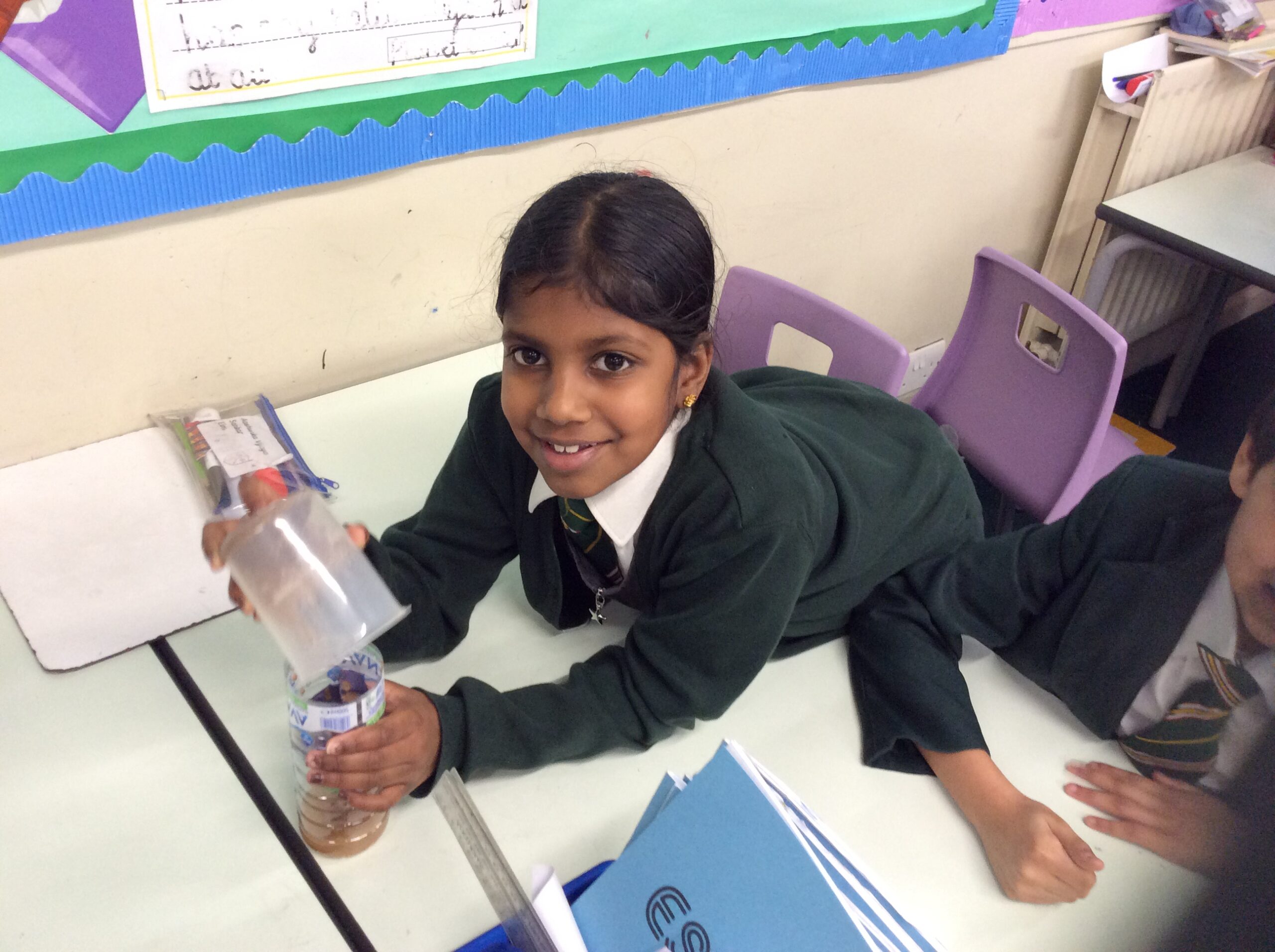
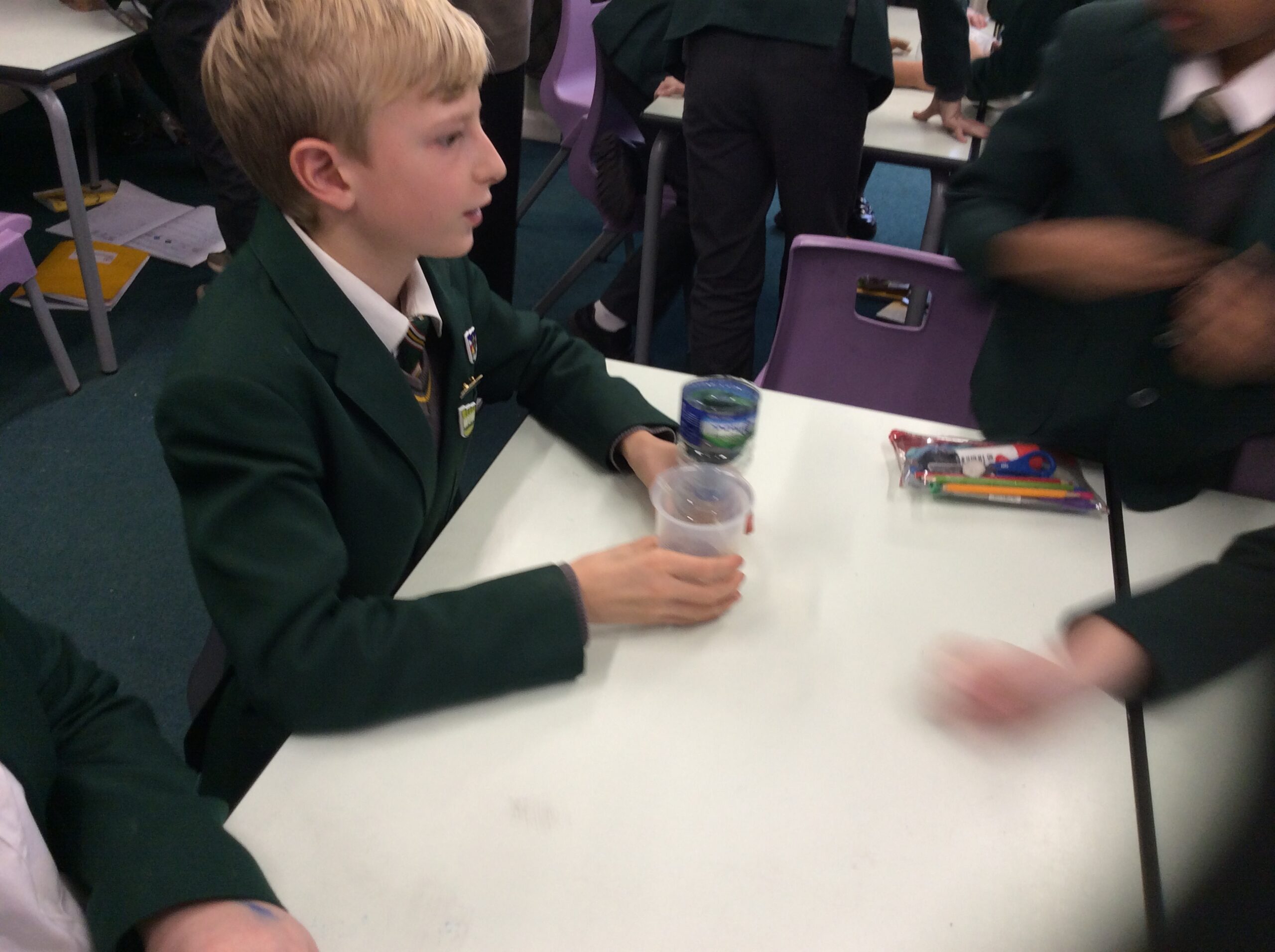
Each group poured a mixture of sand and water through their materials and carefully observed what happened.
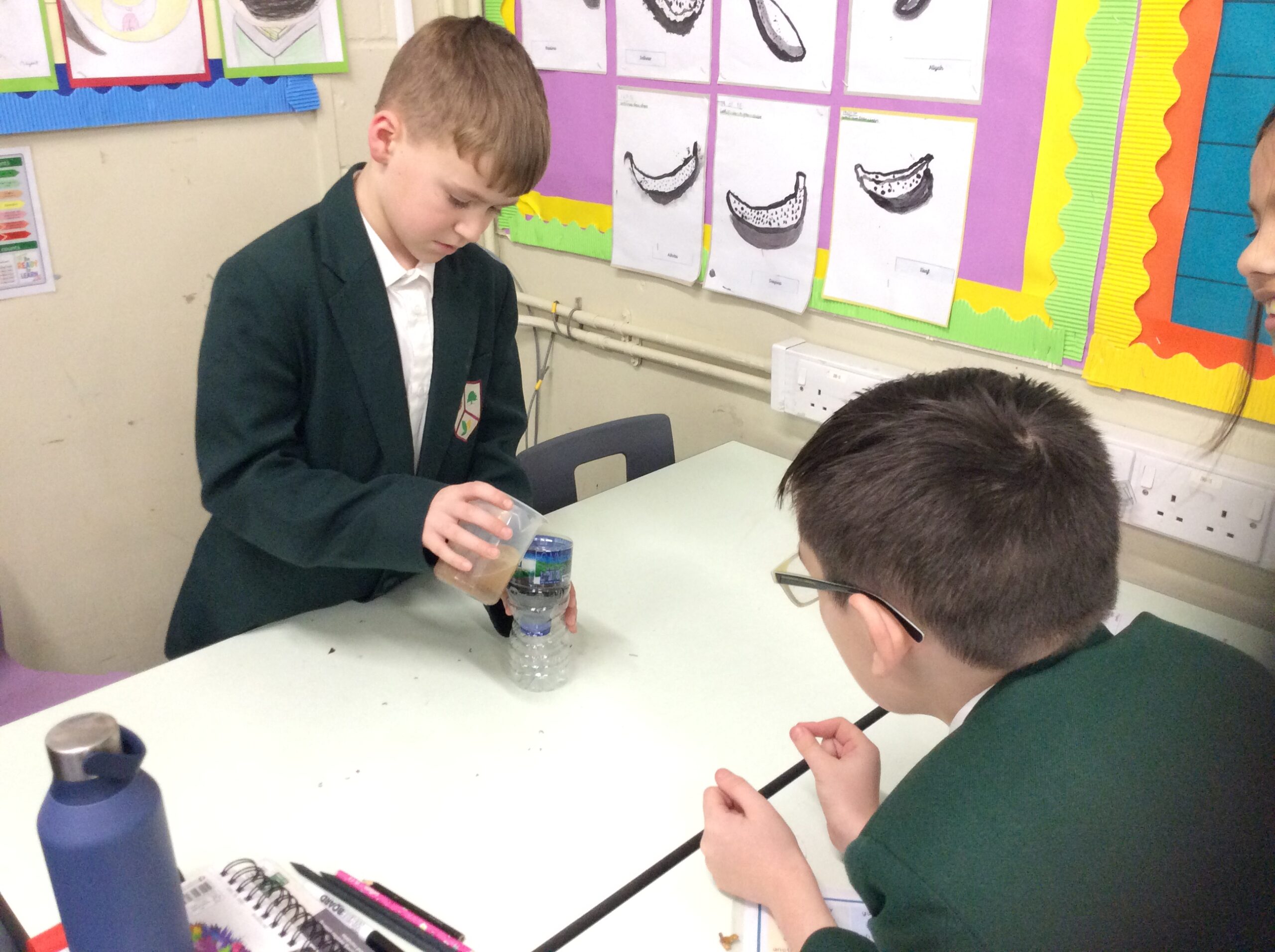
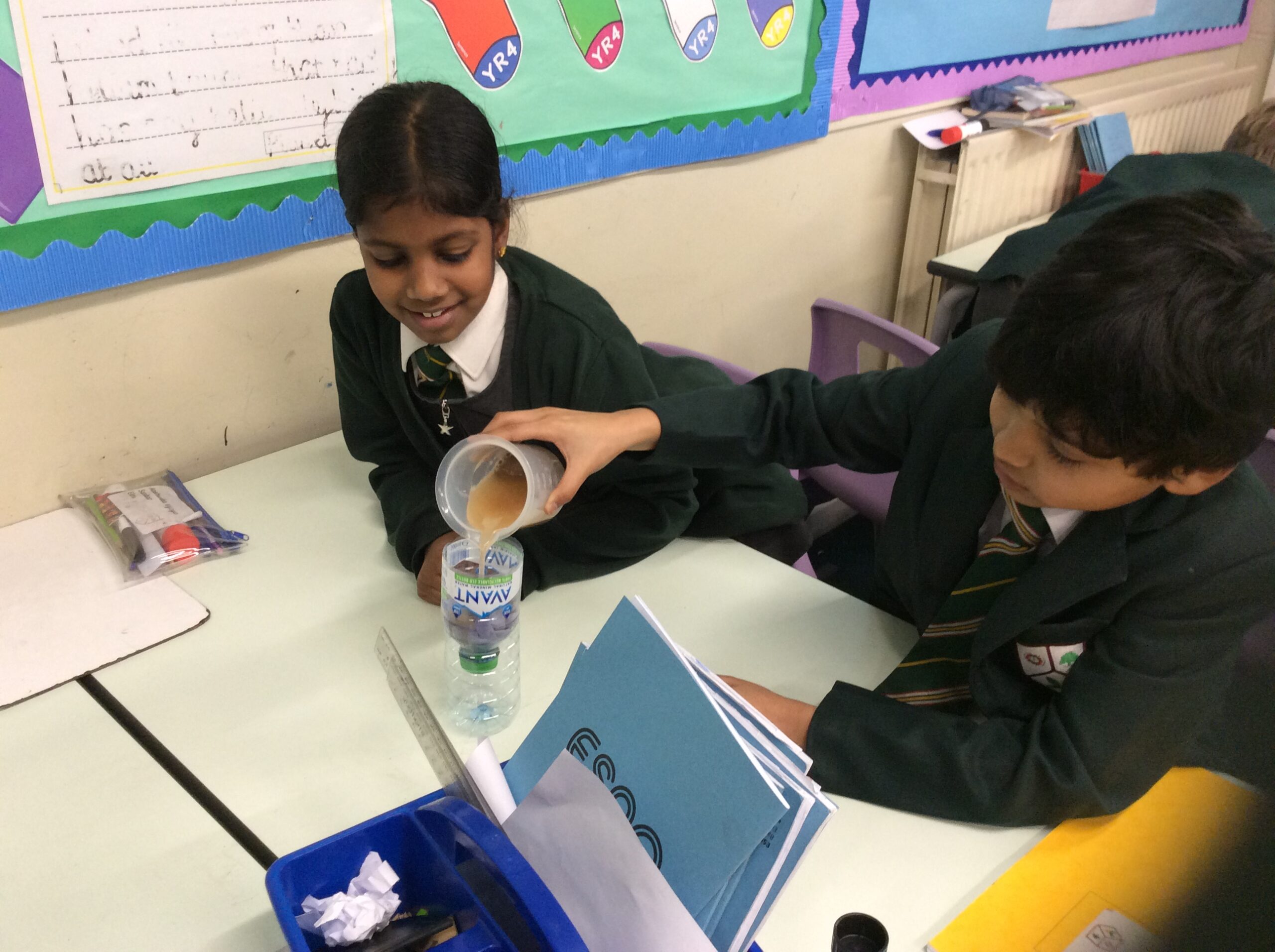
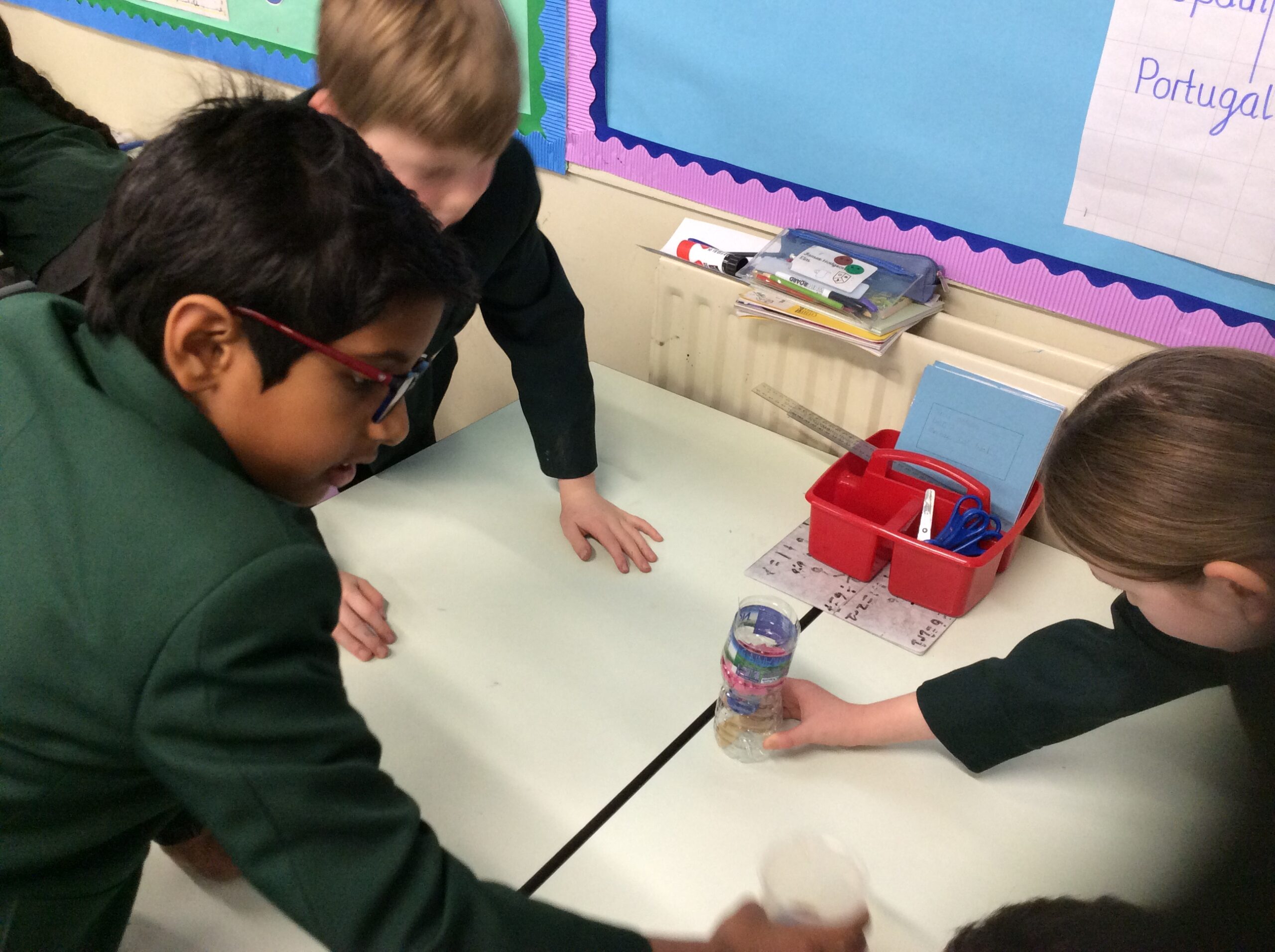
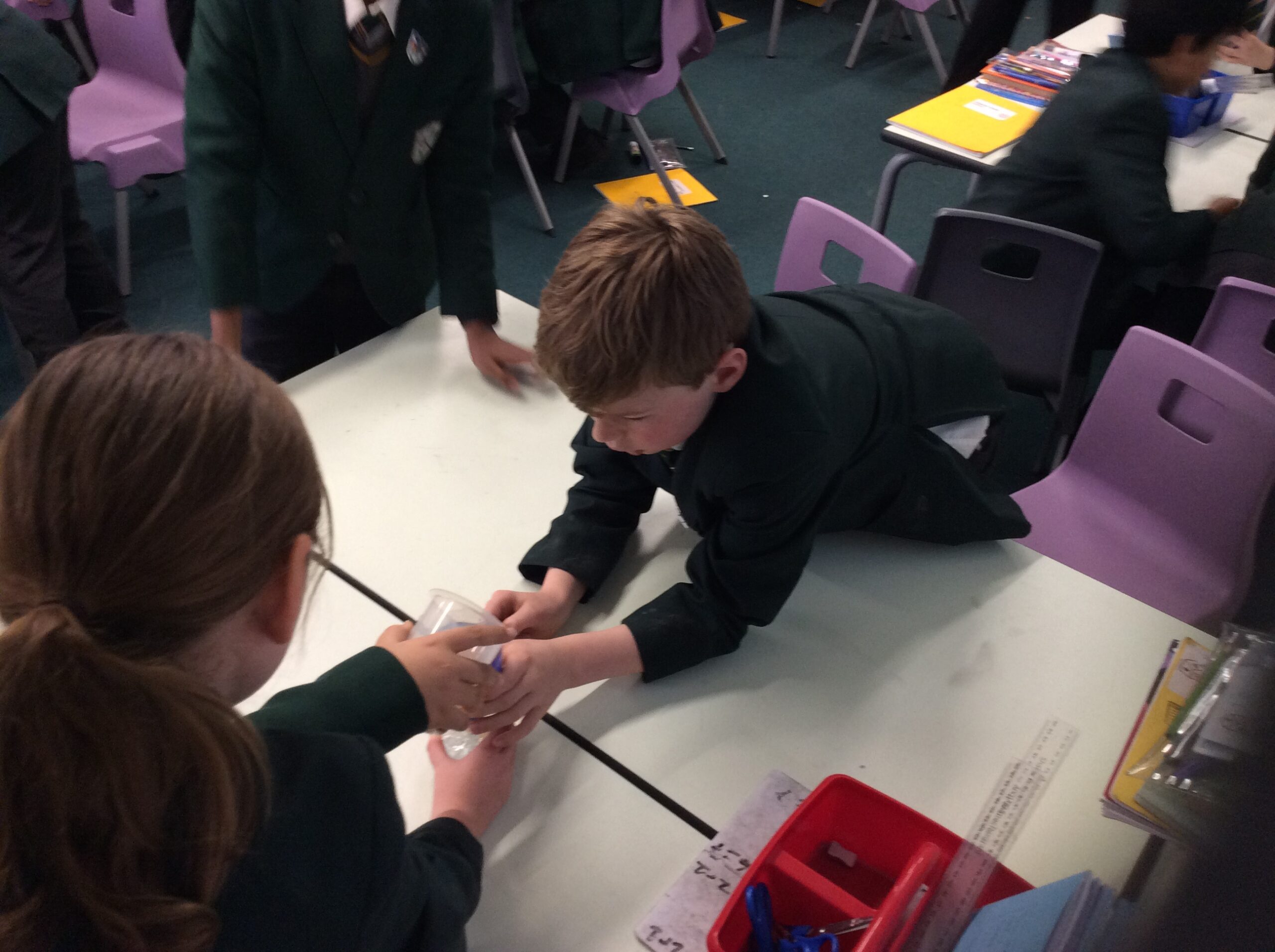


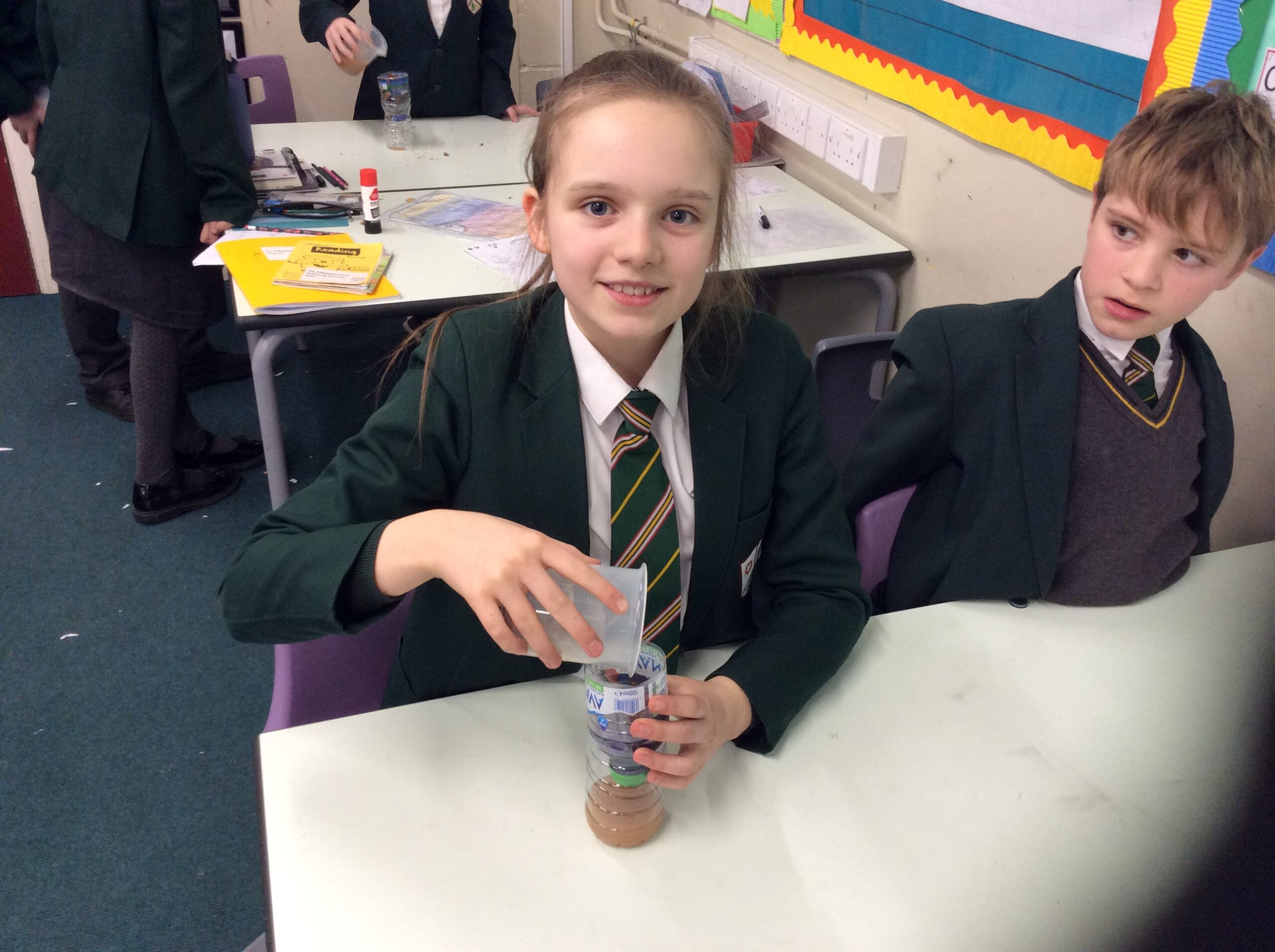
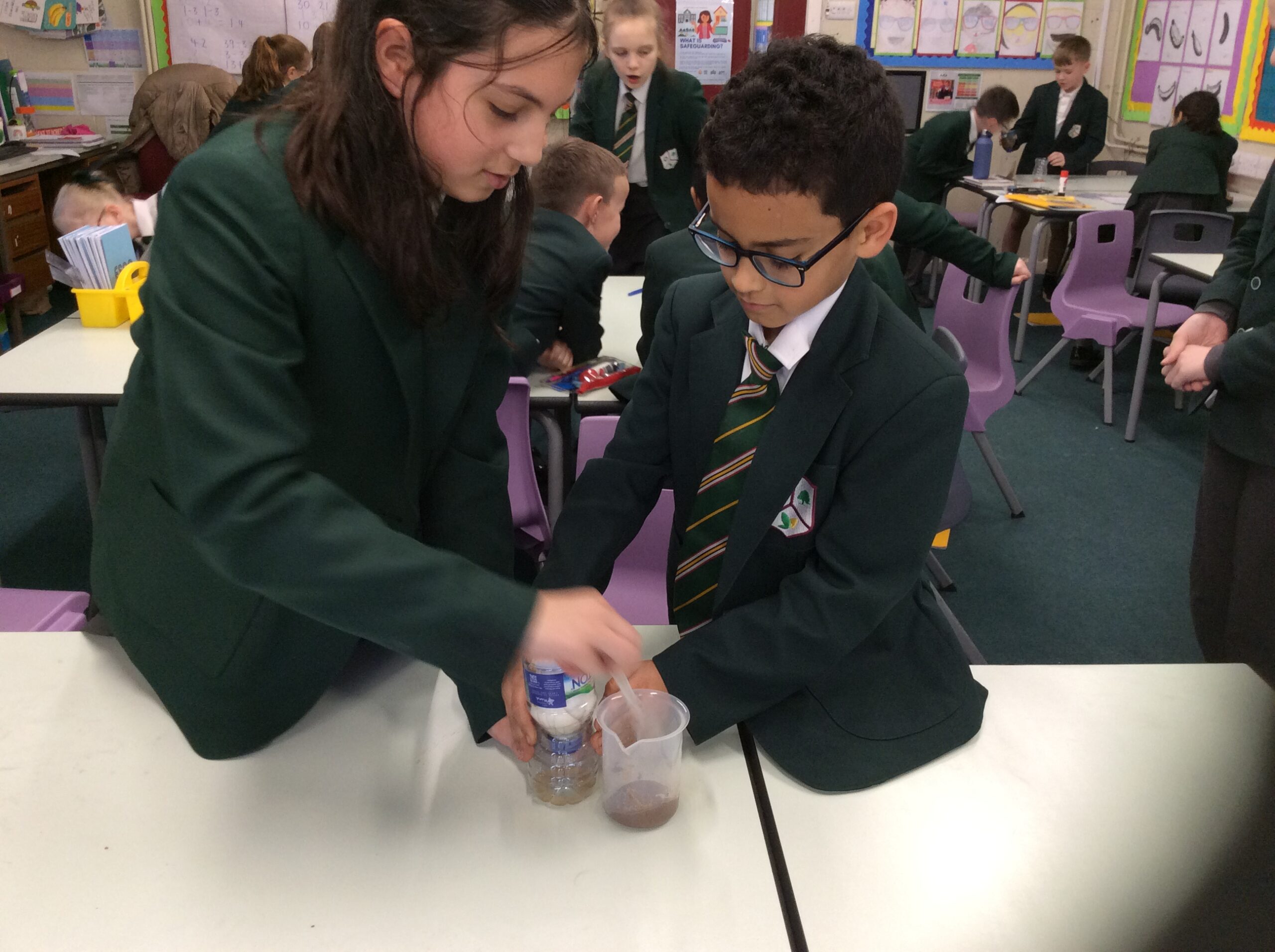
What did we find?
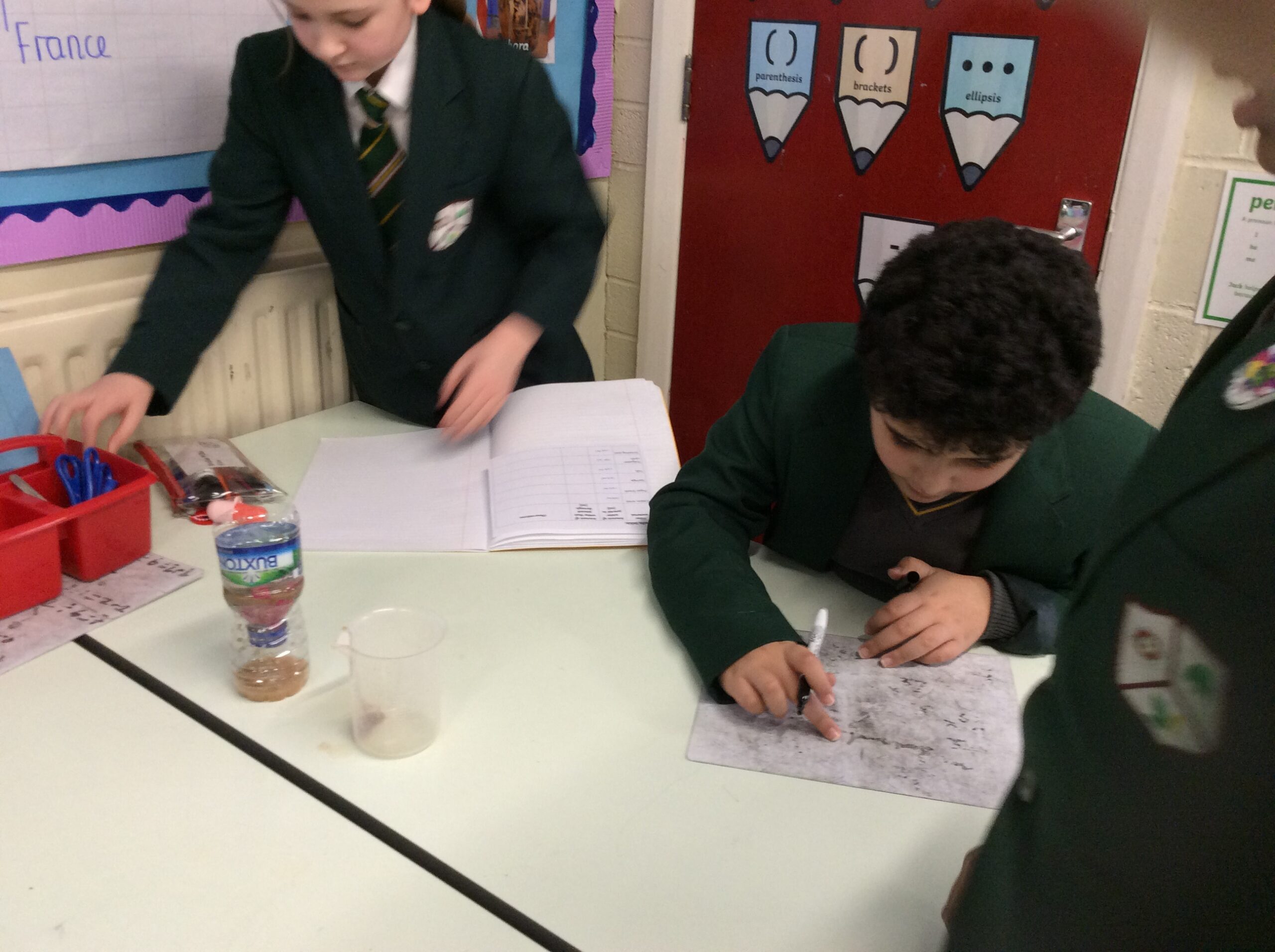
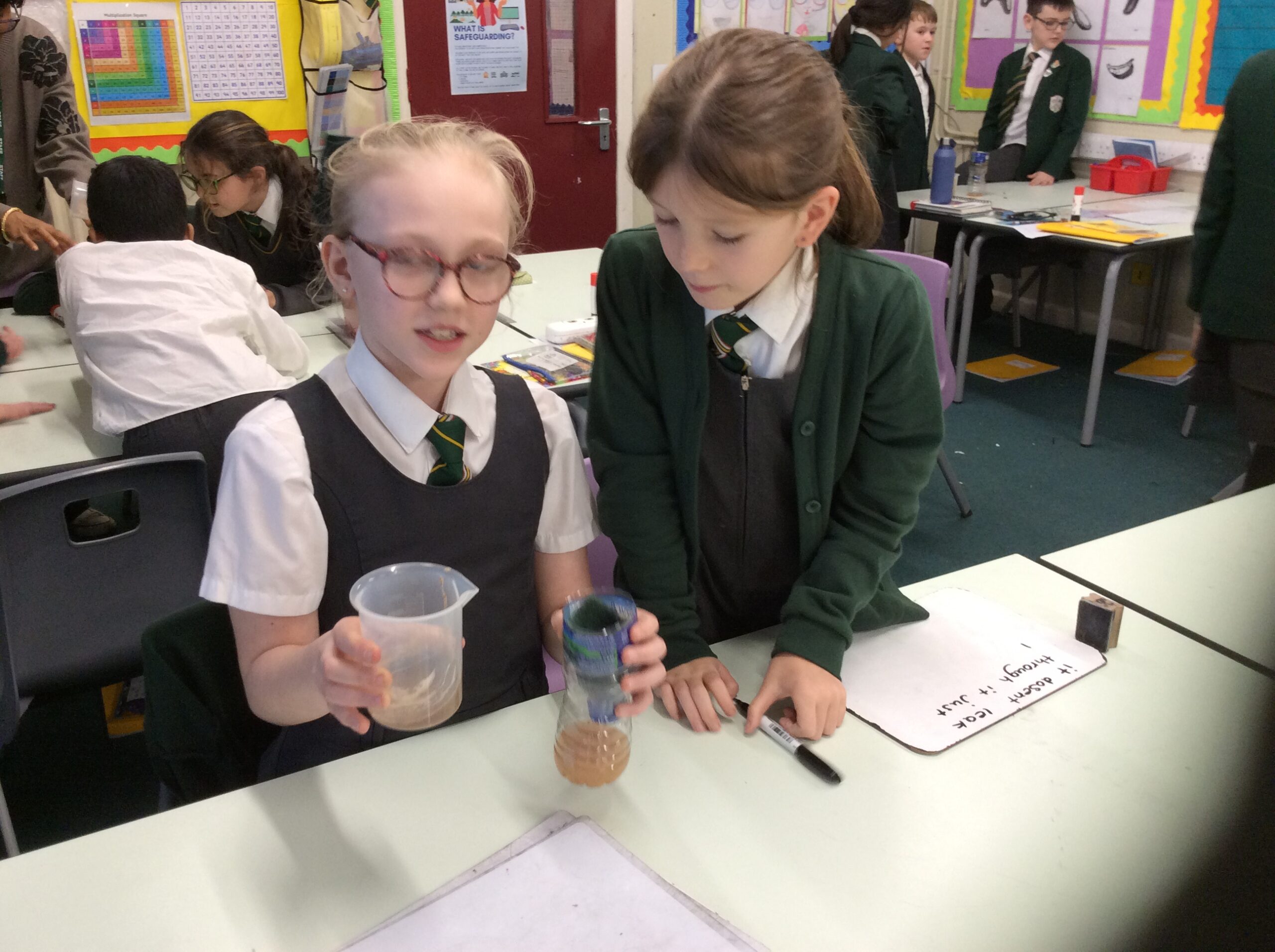
After lots of teamwork, careful measuring, and some very sandy hands, Year 4 collected their results.
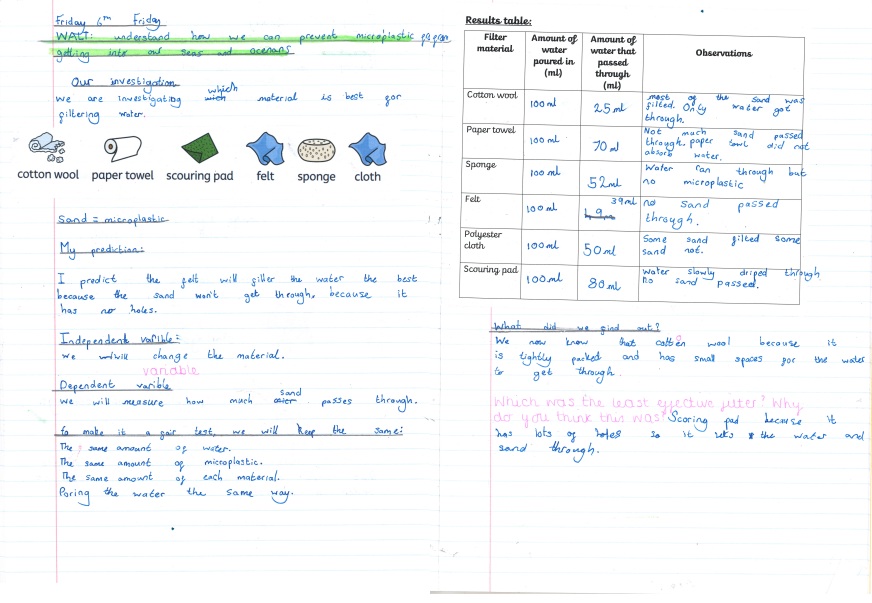
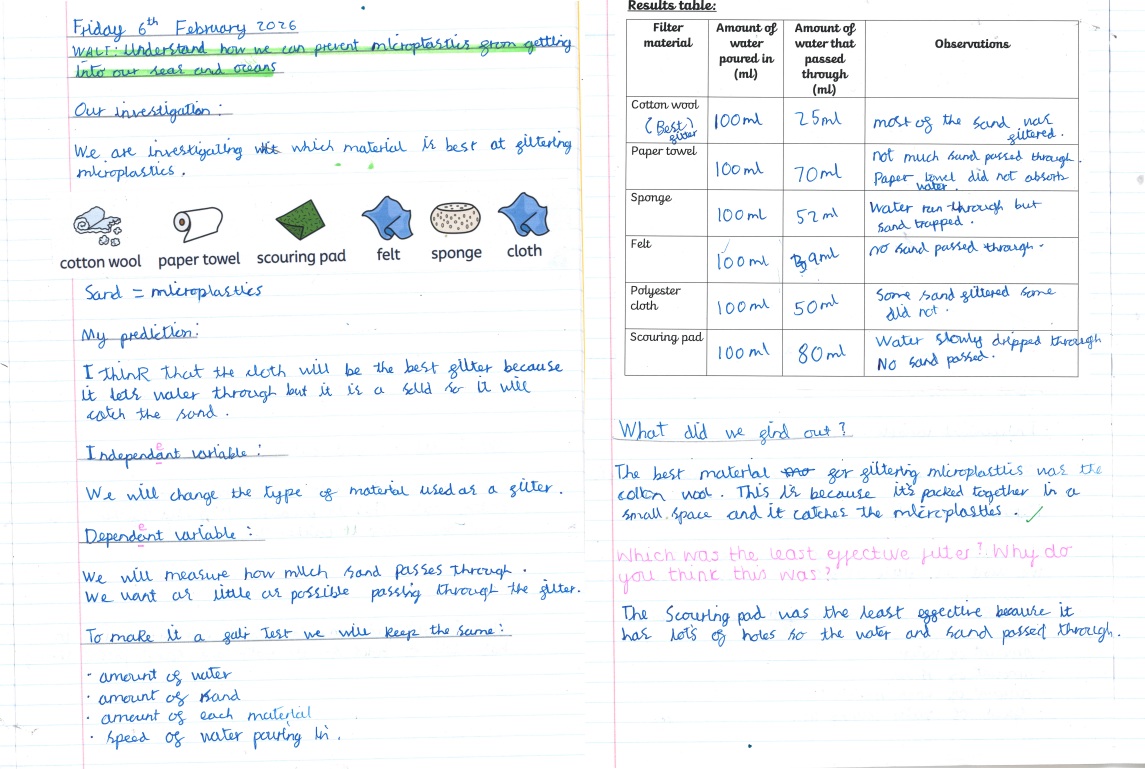
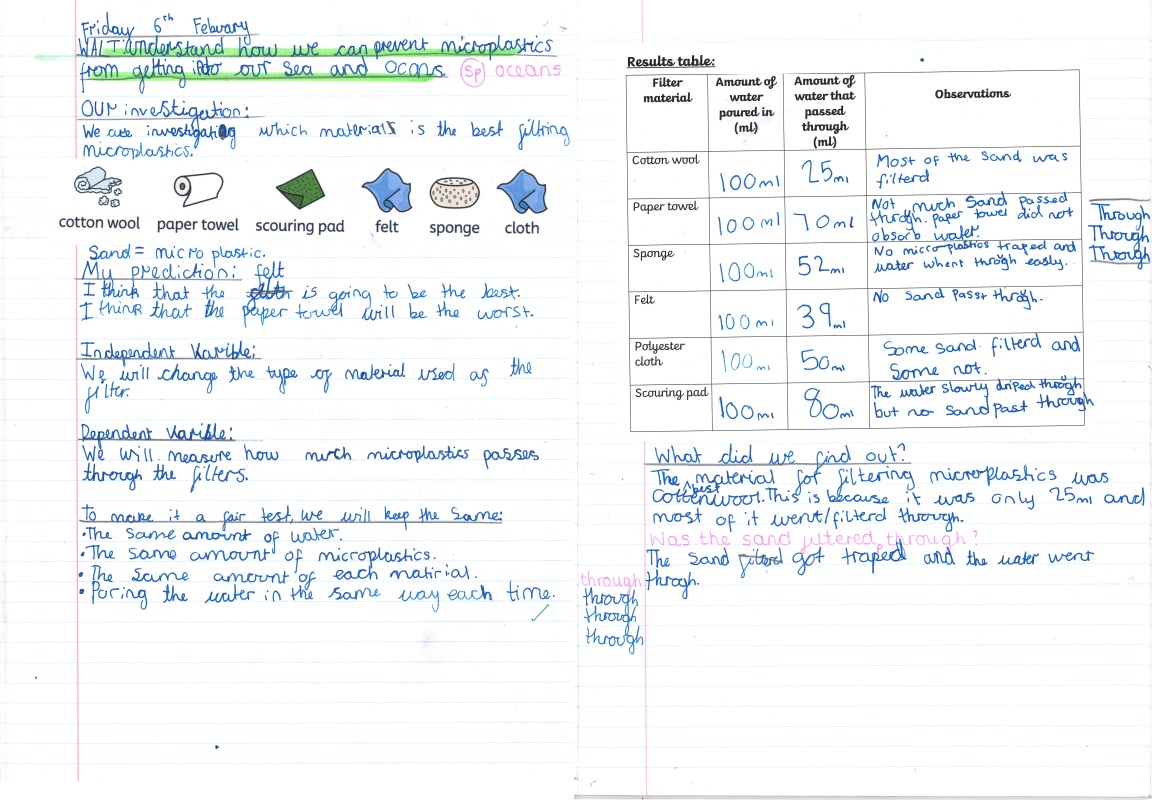
Most effective filter: Cotton wool
Cotton wool trapped the most sand and produced the clearest water. The children noticed that its fluffy structure created lots of tiny gaps, which helped catch even very small particles.
Least effective filter: Scouring Pad
The scouring pad let most of the sand slip straight through. Its larger holes meant it couldn’t catch smaller particles effectively – an important reminder that not all materials are suitable for filtering.

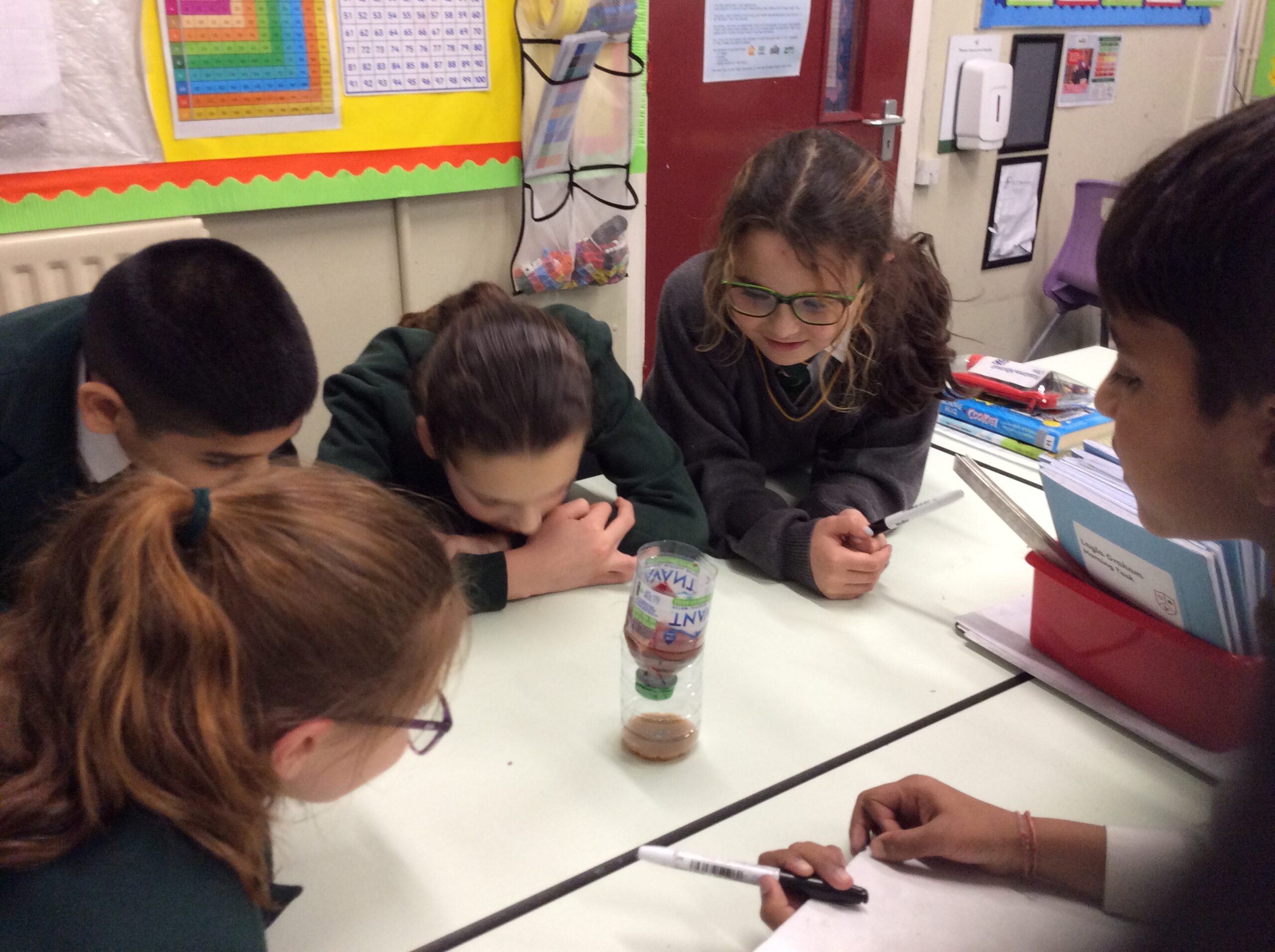
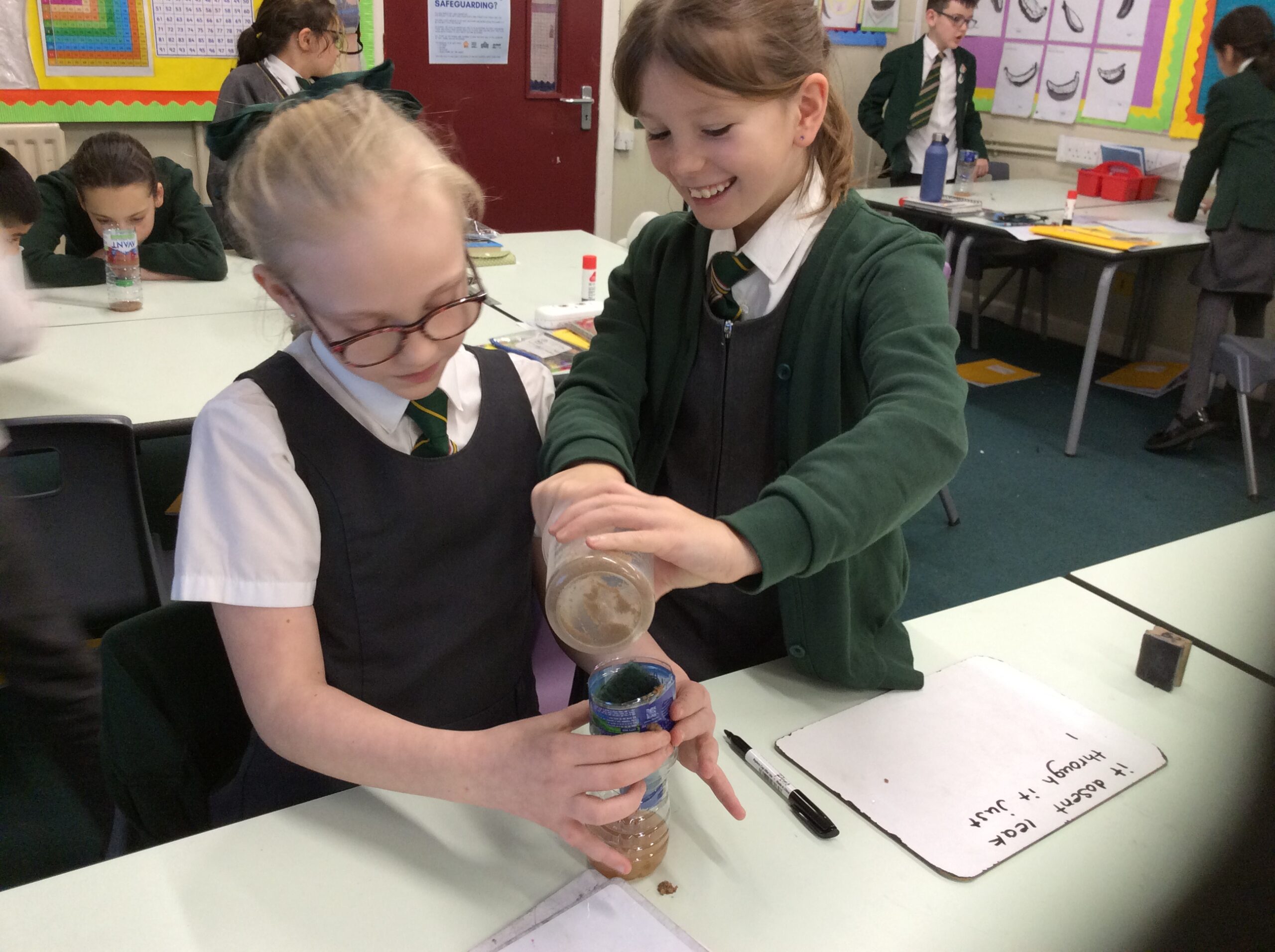
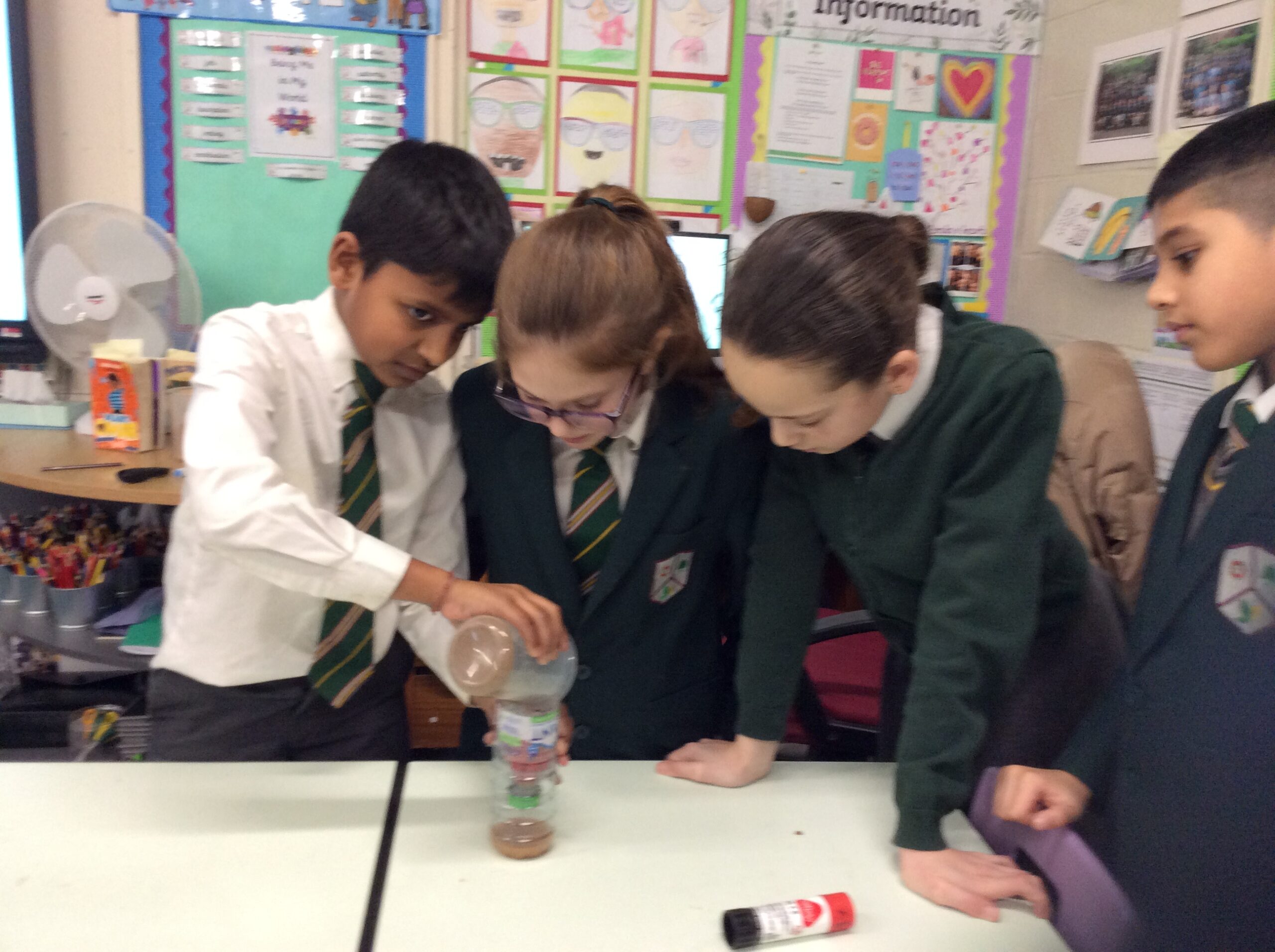
Why does this matter?
Microplastics are a growing environmental issue, harming sea creatures and polluting our oceans. By carrying out this investigation, Year 4 developed a deeper understanding of:
- How different materials work
- Why preventing pollution matters
- How science can help solve real‑world problems
The children were brilliant scientists – making predictions, conducting fair tests, recording results and drawing thoughtful conclusions. Take a look at some of their work below: