05-03-2026
Learning Through Movement
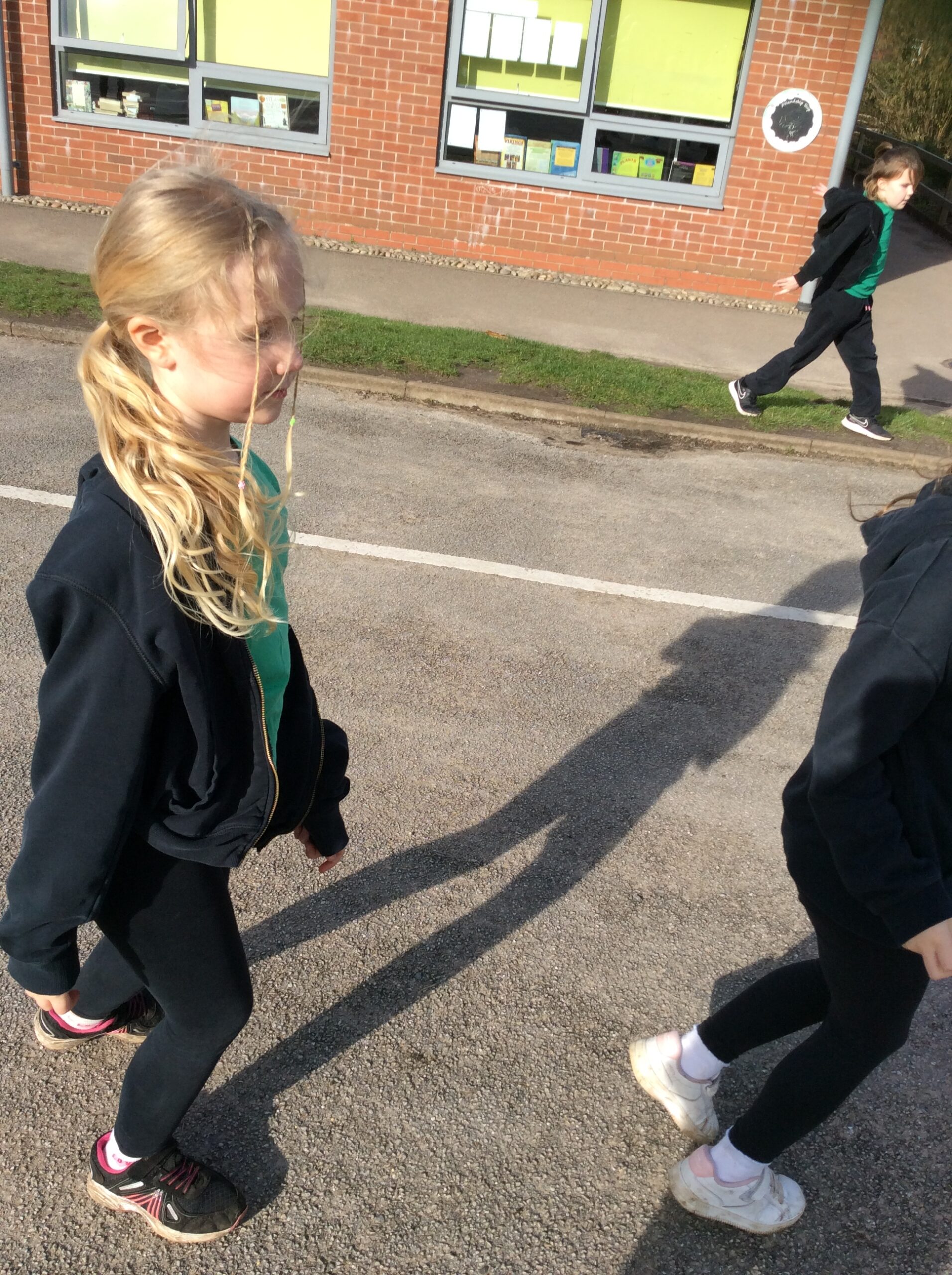
The children were introduced to the idea that bees communicate with each other through a special dance when they discover a good source of nectar. They were captivated by the idea that a tiny insect can “dance” to share important information with the rest of the hive.
To bring this to life, the class learned the basic shapes and pathways of the waggle dance—straight lines, circles, and purposeful changes of direction. They experimented with speed, rhythm, and body shapes to show excitement, direction, and teamwork, just like real bees.
Hoops as Flowers
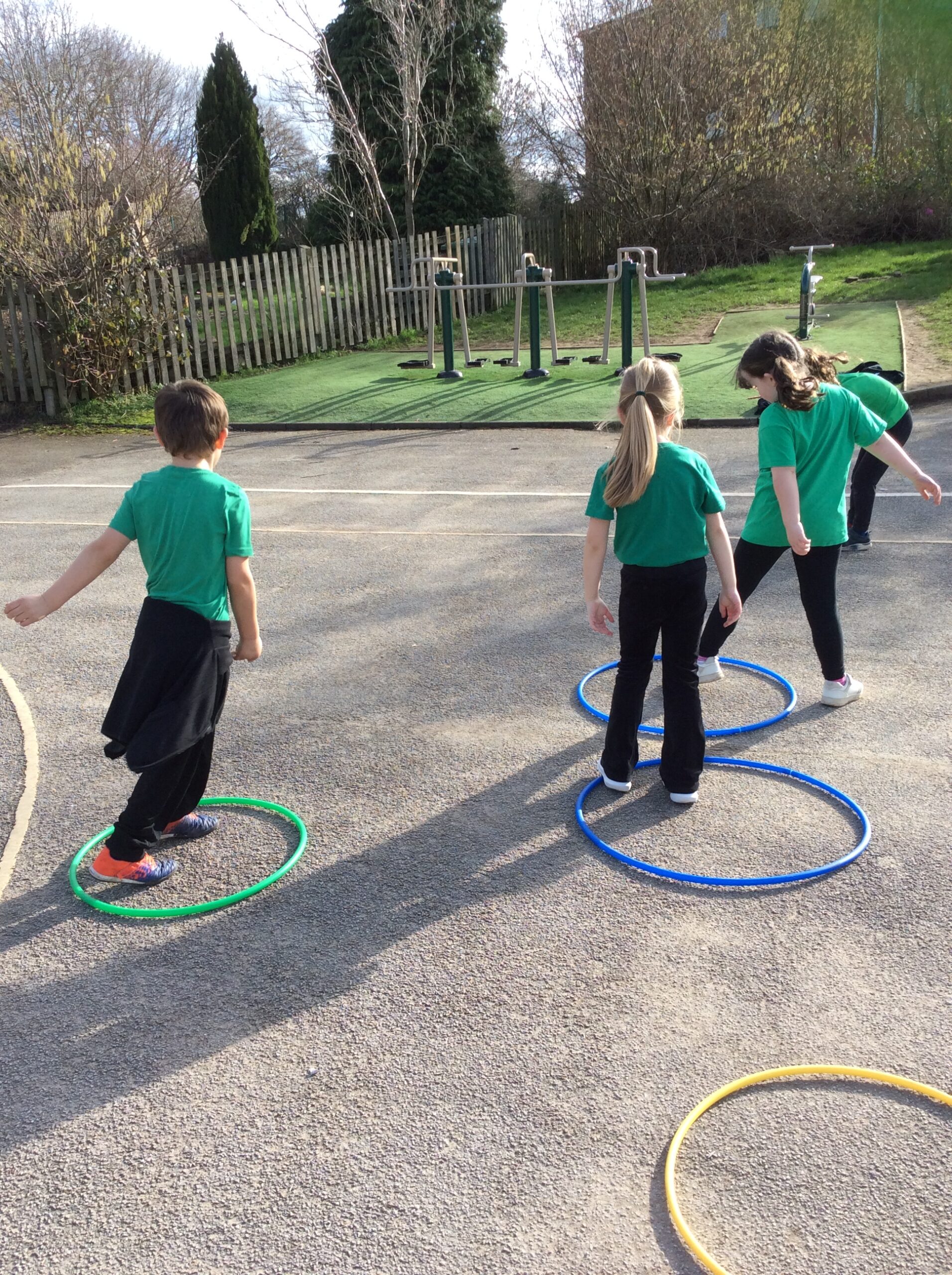
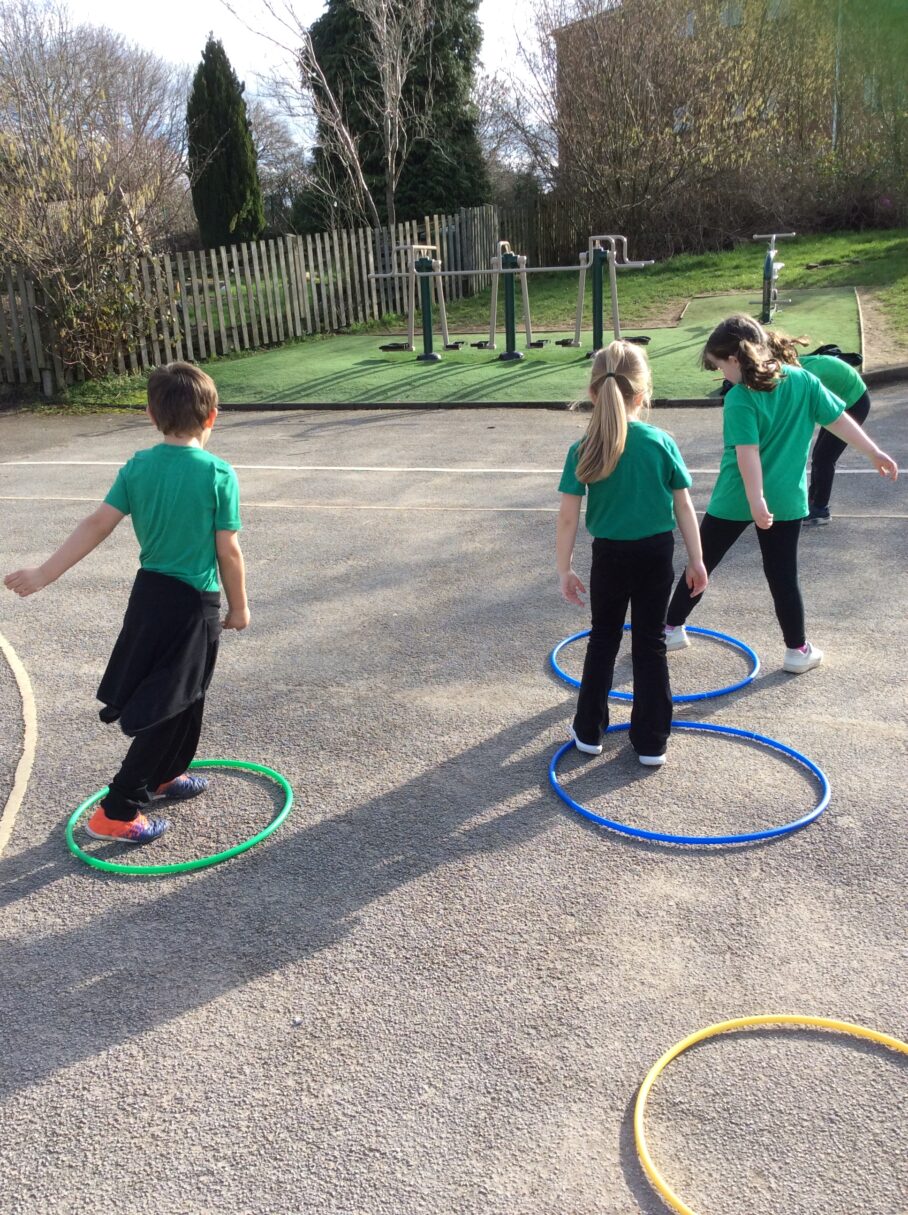
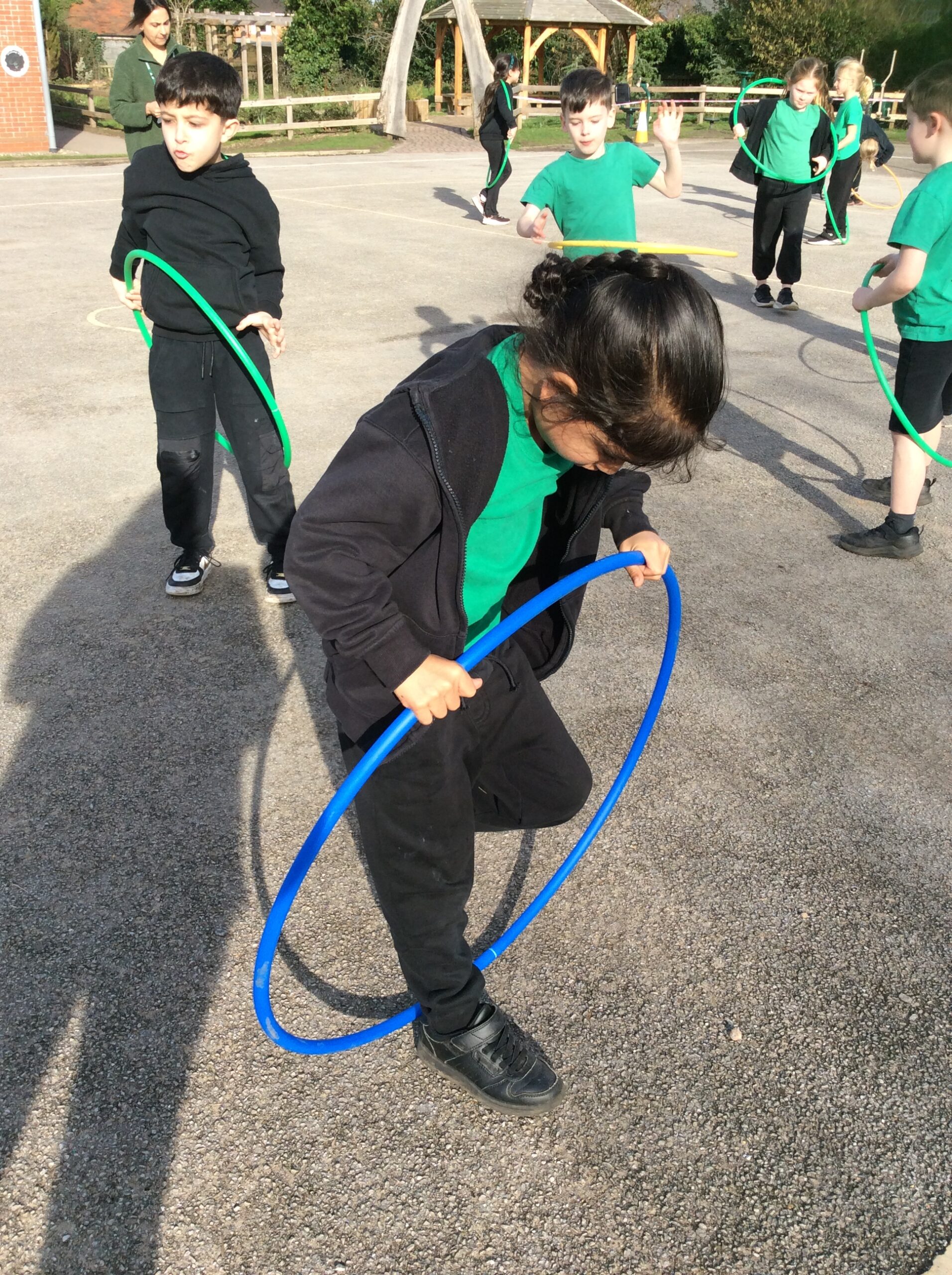
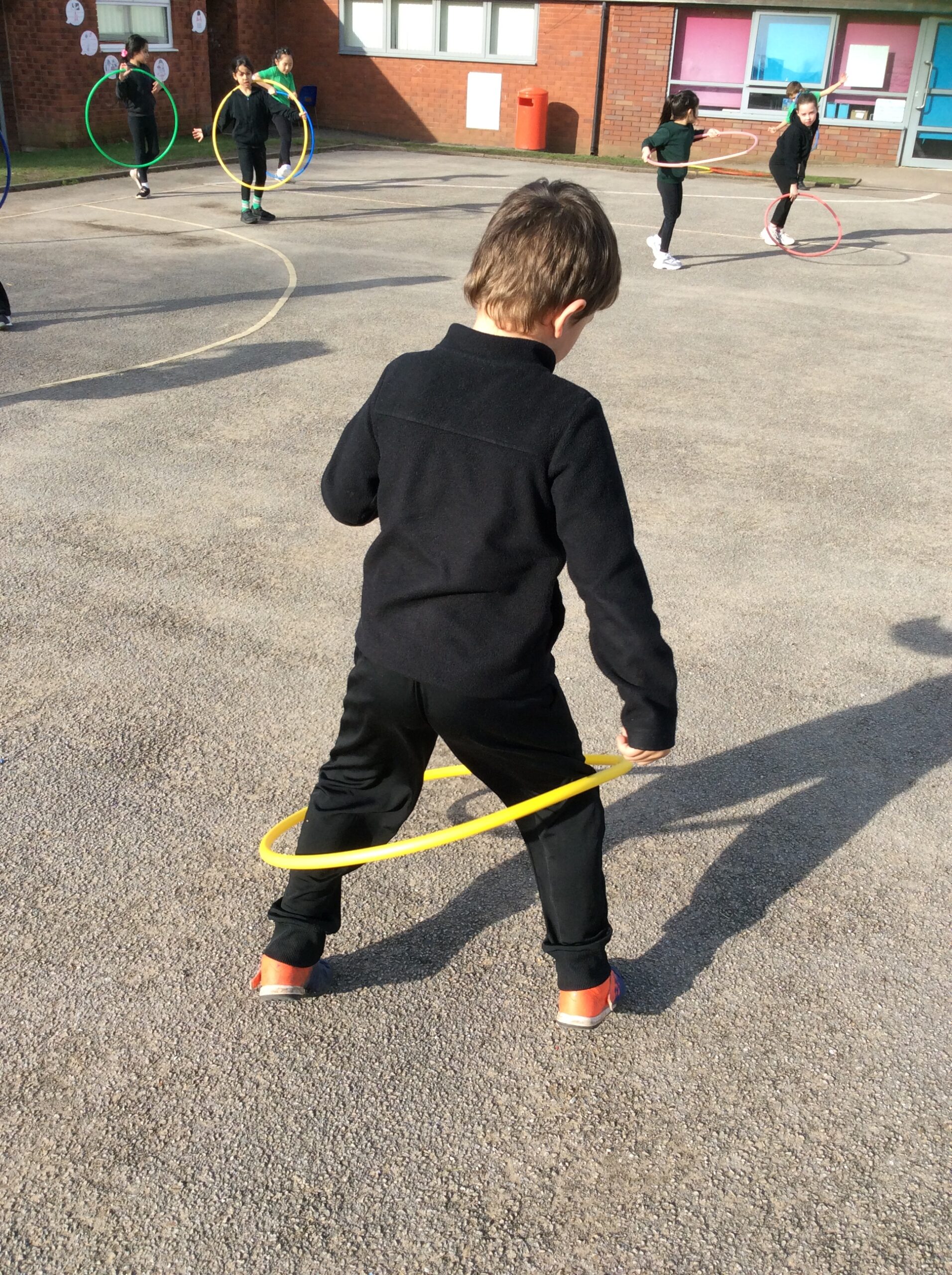
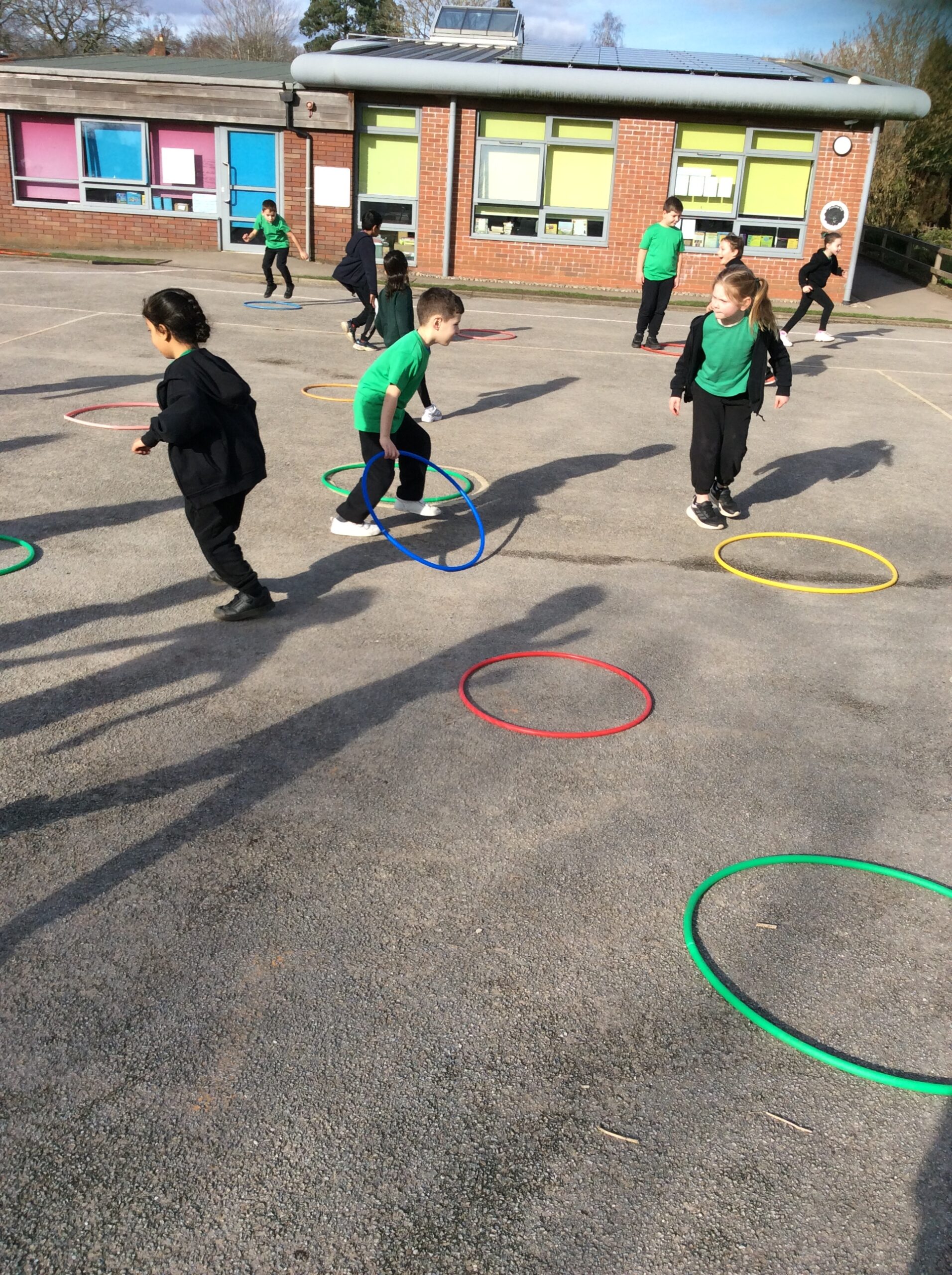
To help them imagine the world from a bee’s point of view, the children used hoops placed around the hall as pretend flowers. Each hoop became a colourful nectar source waiting to be discovered.
- Some children played the role of scout bees, buzzing around the space to find the “best” flower.
- Once they chose their flower, they performed their waggle dance to guide the rest of the hive.
- The other bees watched carefully, then followed the dance to locate the same flower.
This simple setup encouraged problem-solving, observation, and clear communication—all through movement.

Collecting Honey
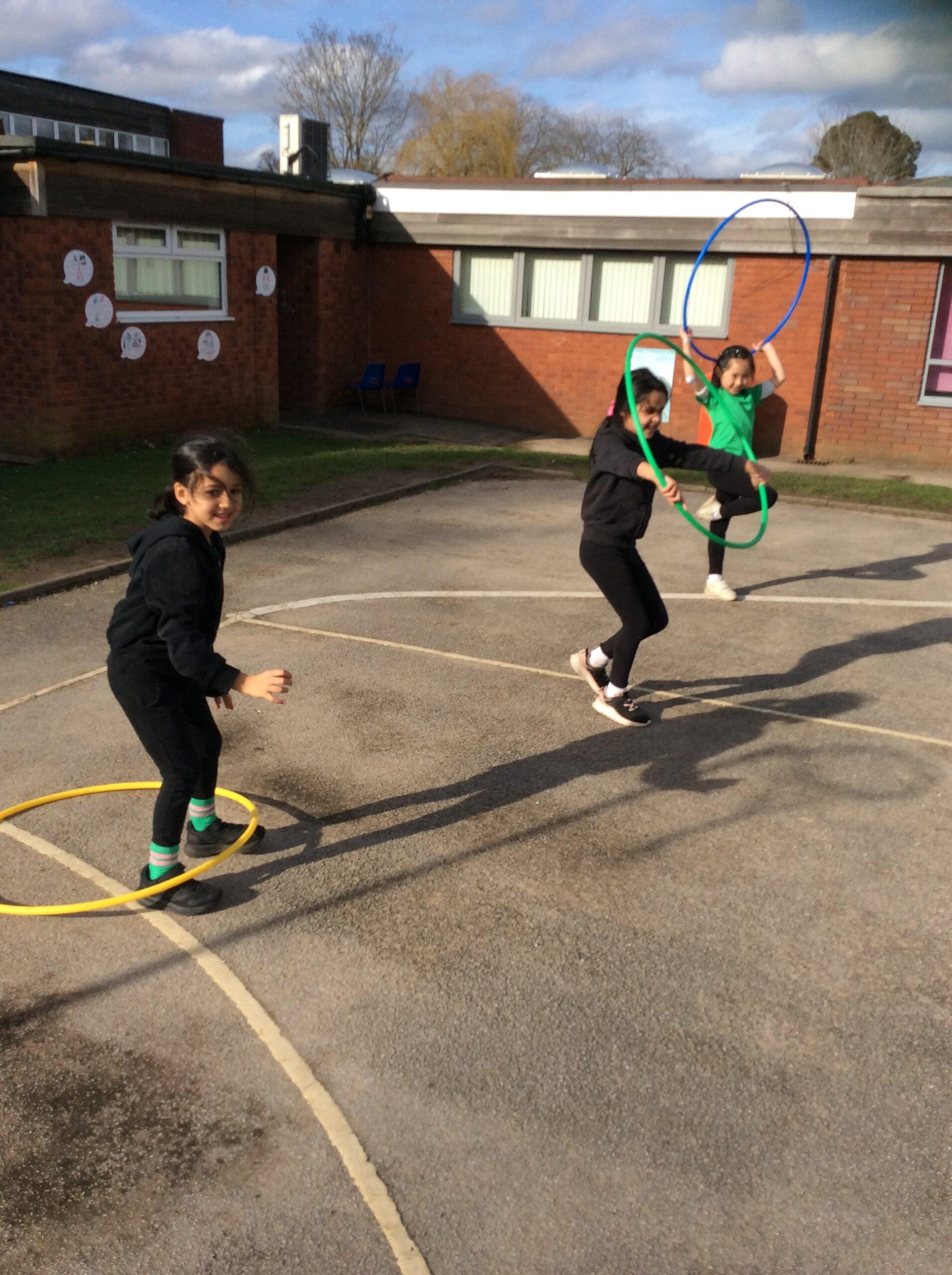
Once the bees reached their chosen flower, they pretended to gather nectar and carry it back to the hive. This added a playful challenge: how could they show the weight of the honey? How might a bee move when it’s full of nectar? The children experimented with slow, heavy steps, careful balancing, and proud “return flights” to the hive.