11-03-2026
A hands-on Journey through the Human Digestive System
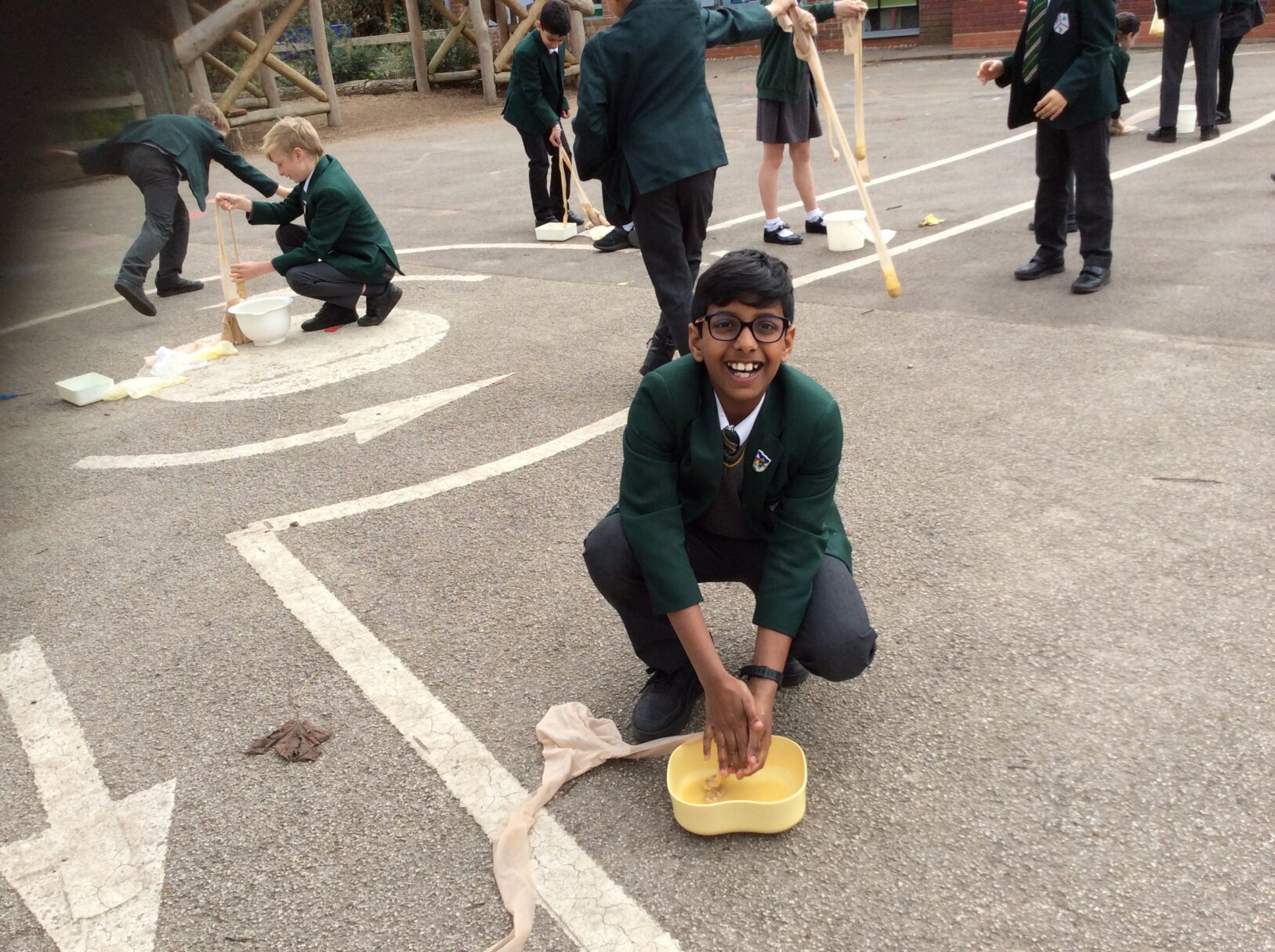
This week, our classroom transformed into a bustling science lab as the children explored one of the body’s most fascinating processes: the digestive system. Using everyday items like orange juice, tights, biscuits and even a banana, the children recreated each stage of digestion in a fun, visual and wonderfully messy experiment!
Starting in the mouth – Chewing and saliva
The journey began in the mouth, where digestion first takes place. The children combined biscuits and pieces of banana to represent the food we eat. Next, they added water to act as saliva. As they mashed and mixed the ingredients, they discovered how saliva softens food and helps it break down – turning it from solid pieces into a mushy mixture ready for swallowing.
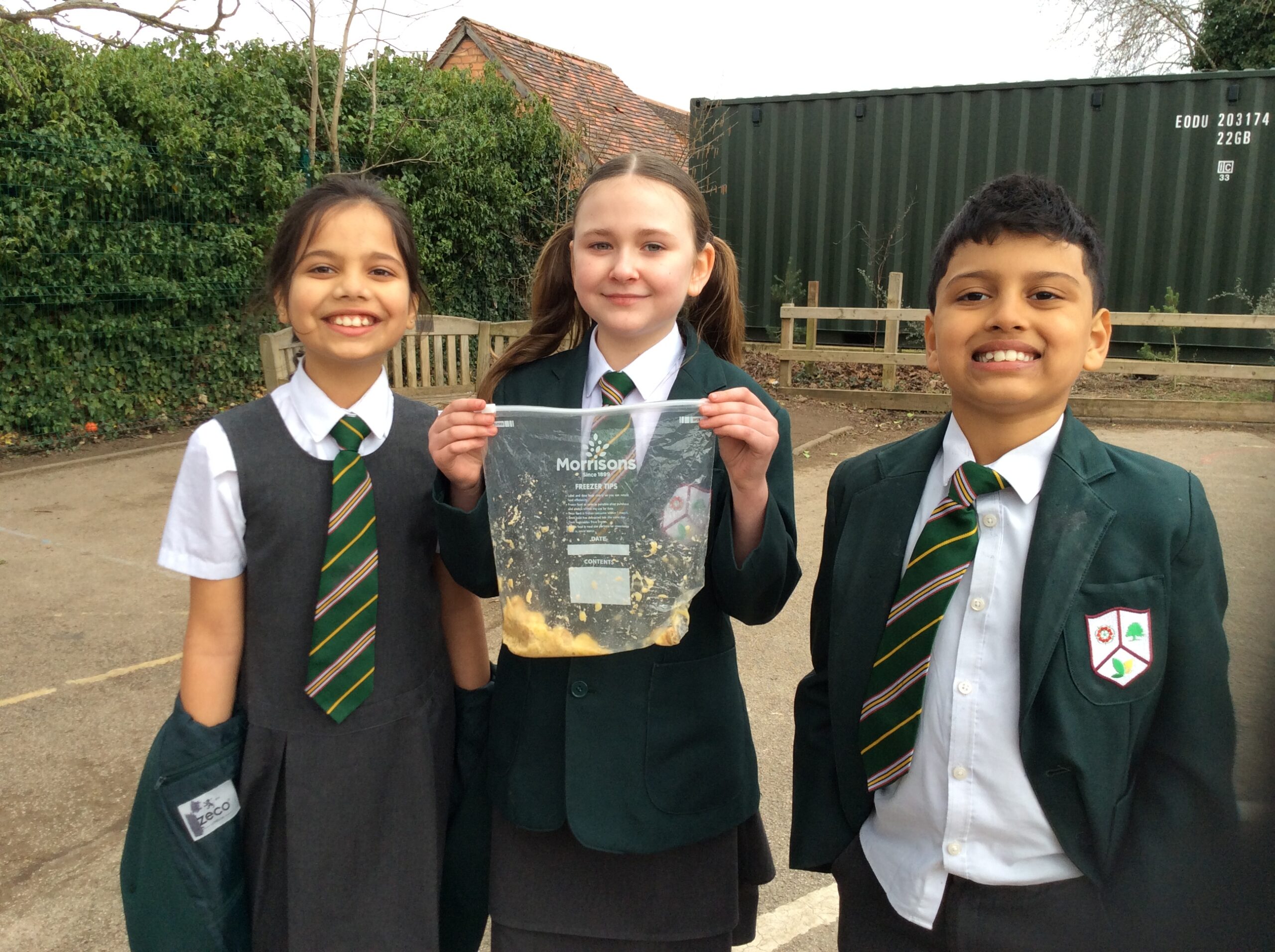
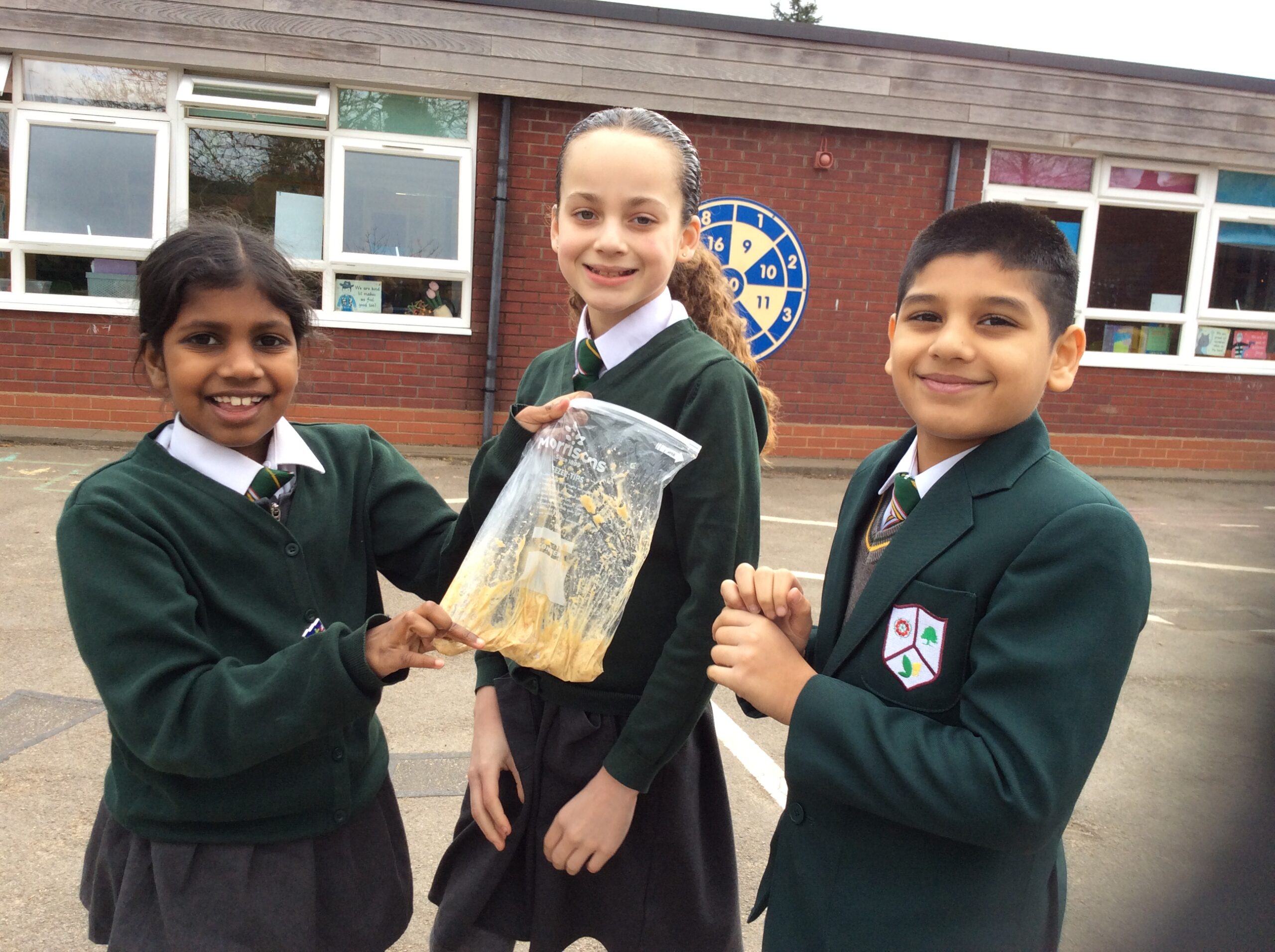
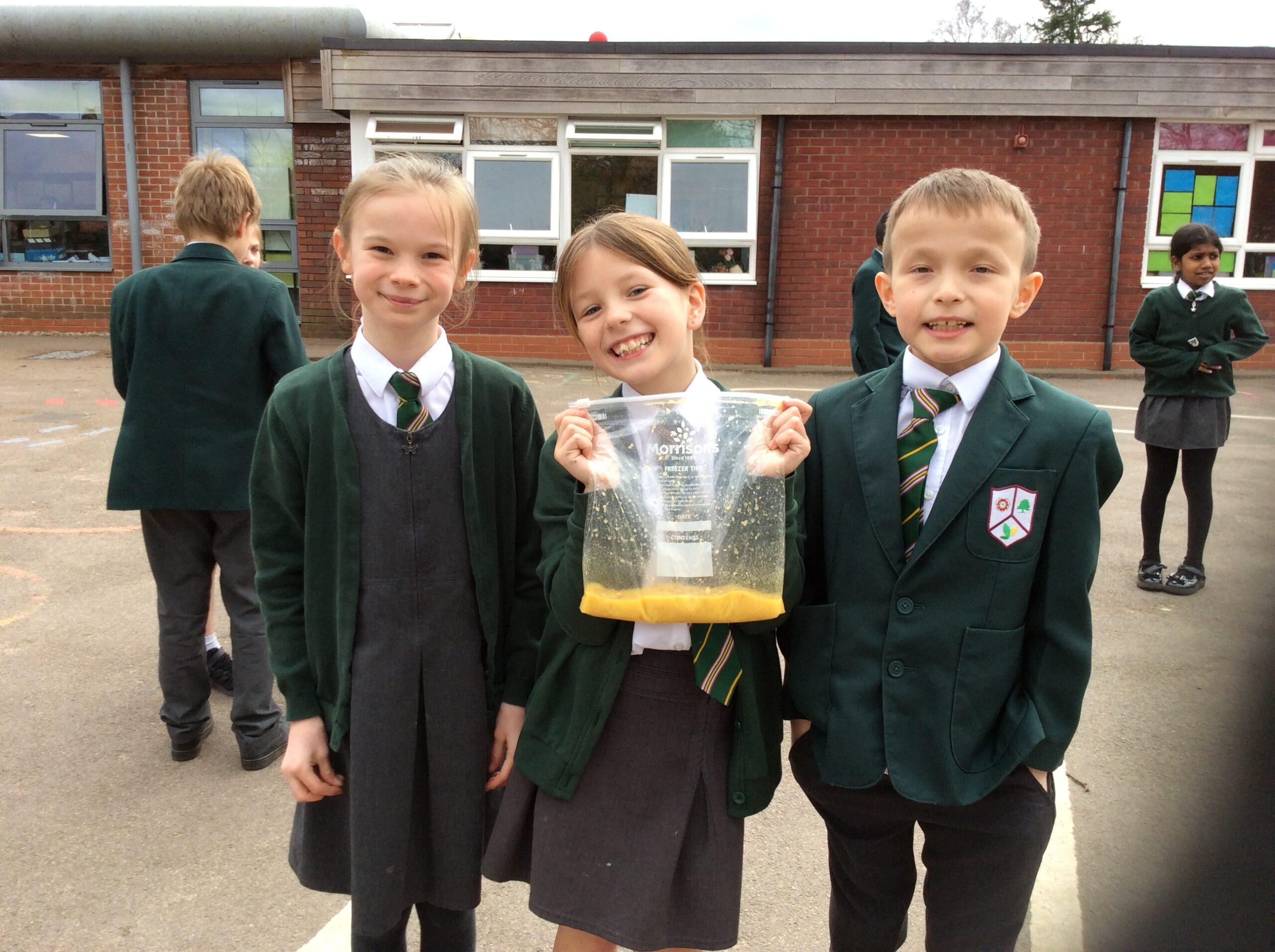
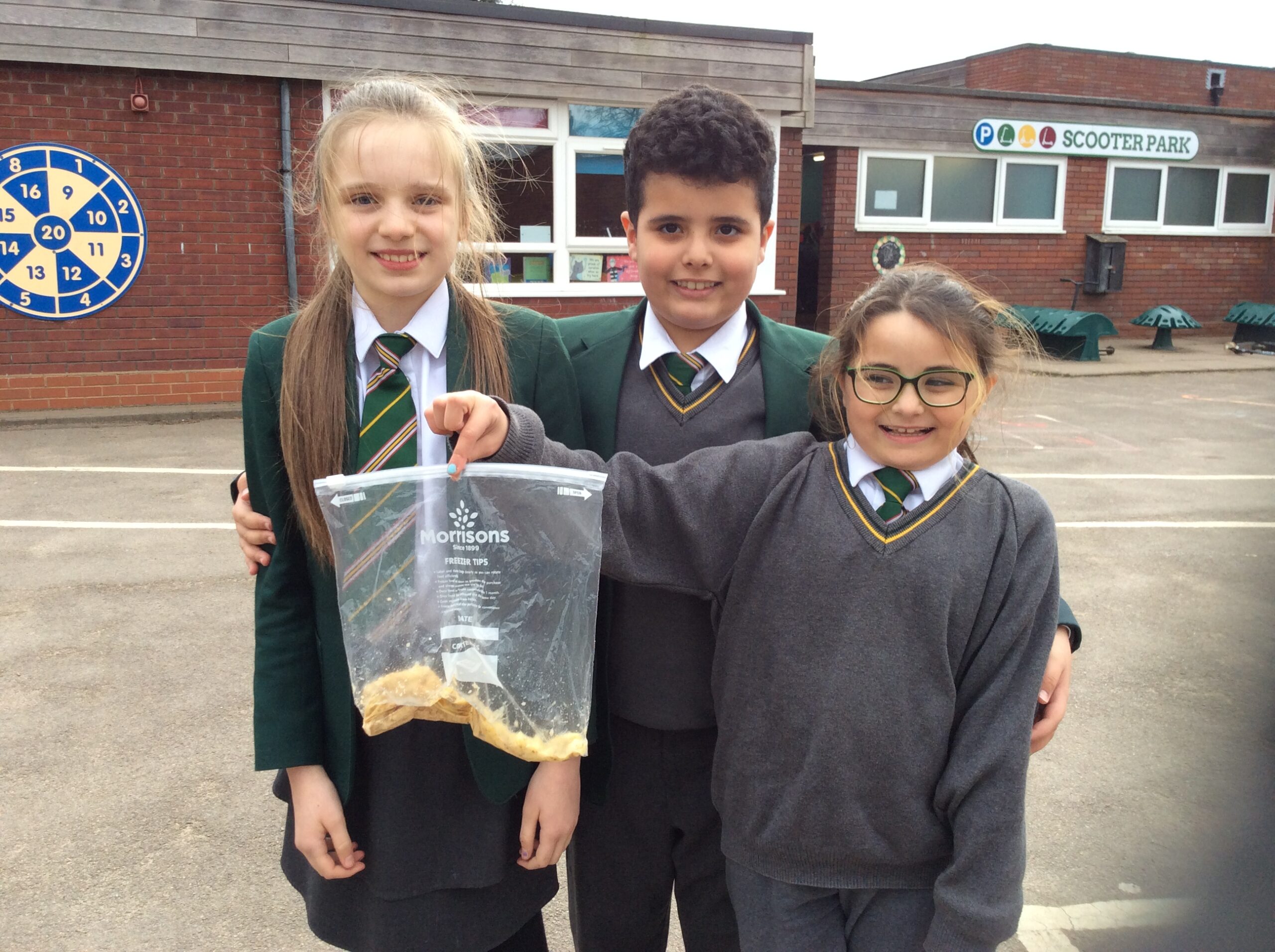
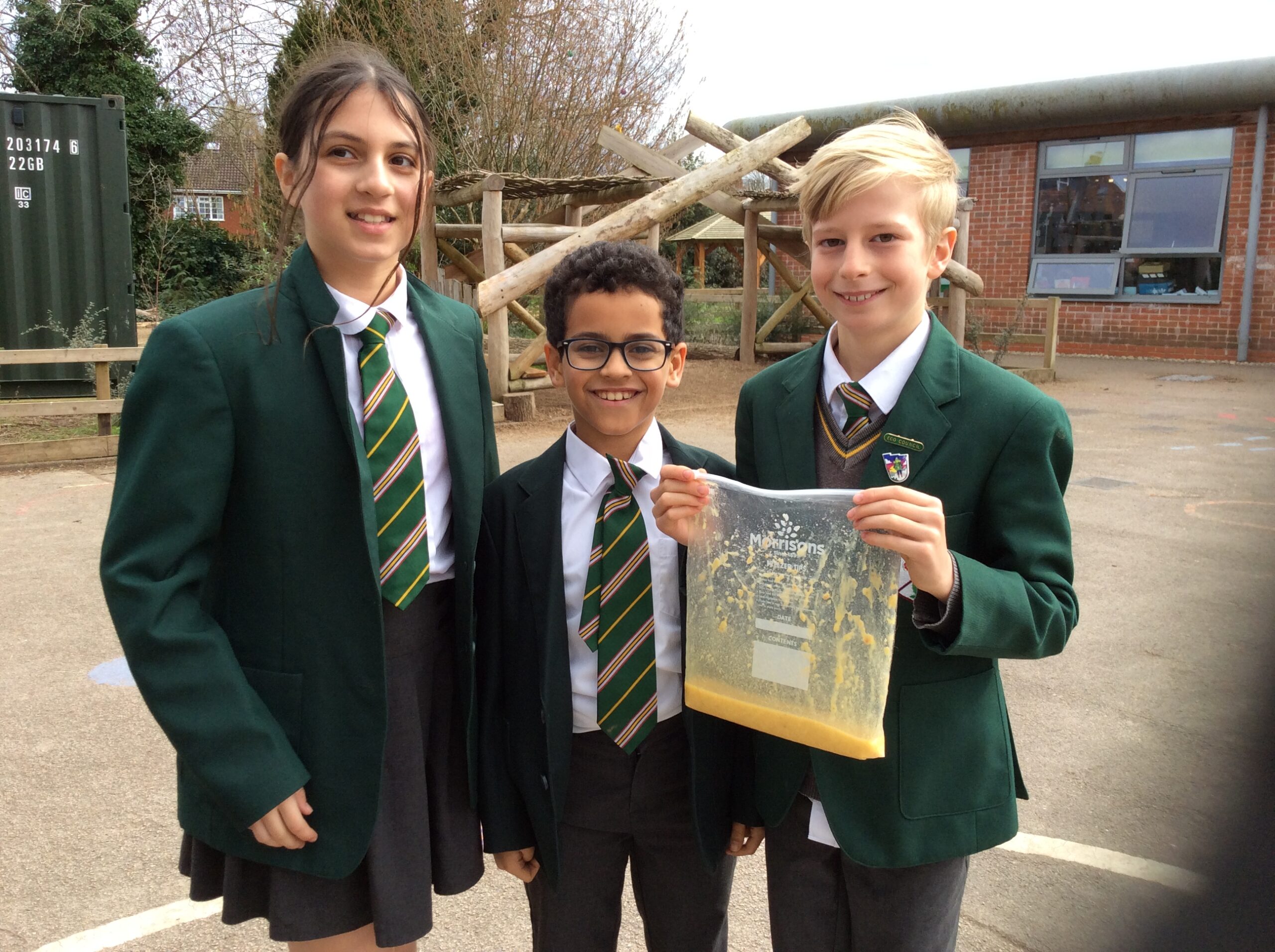
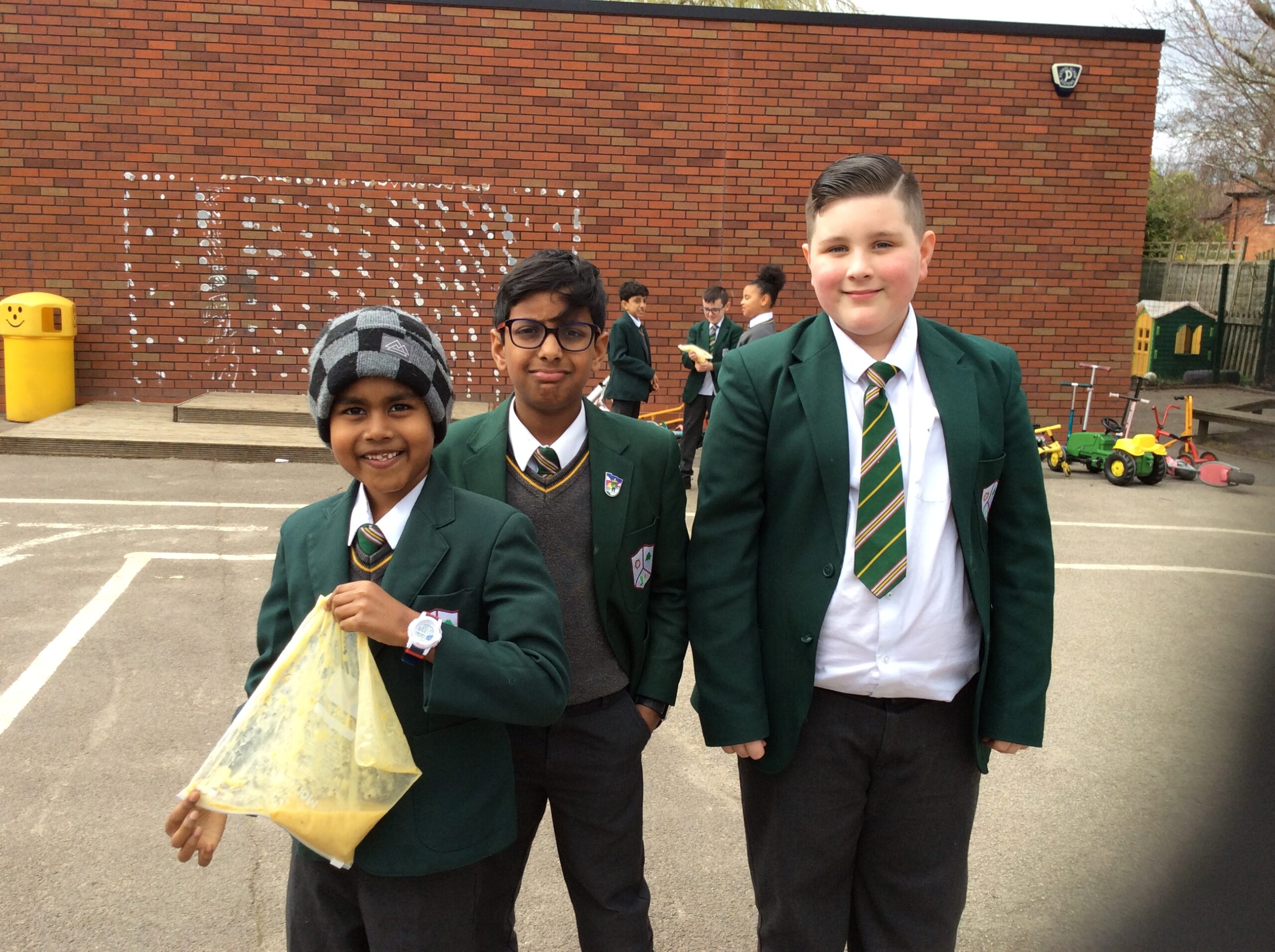
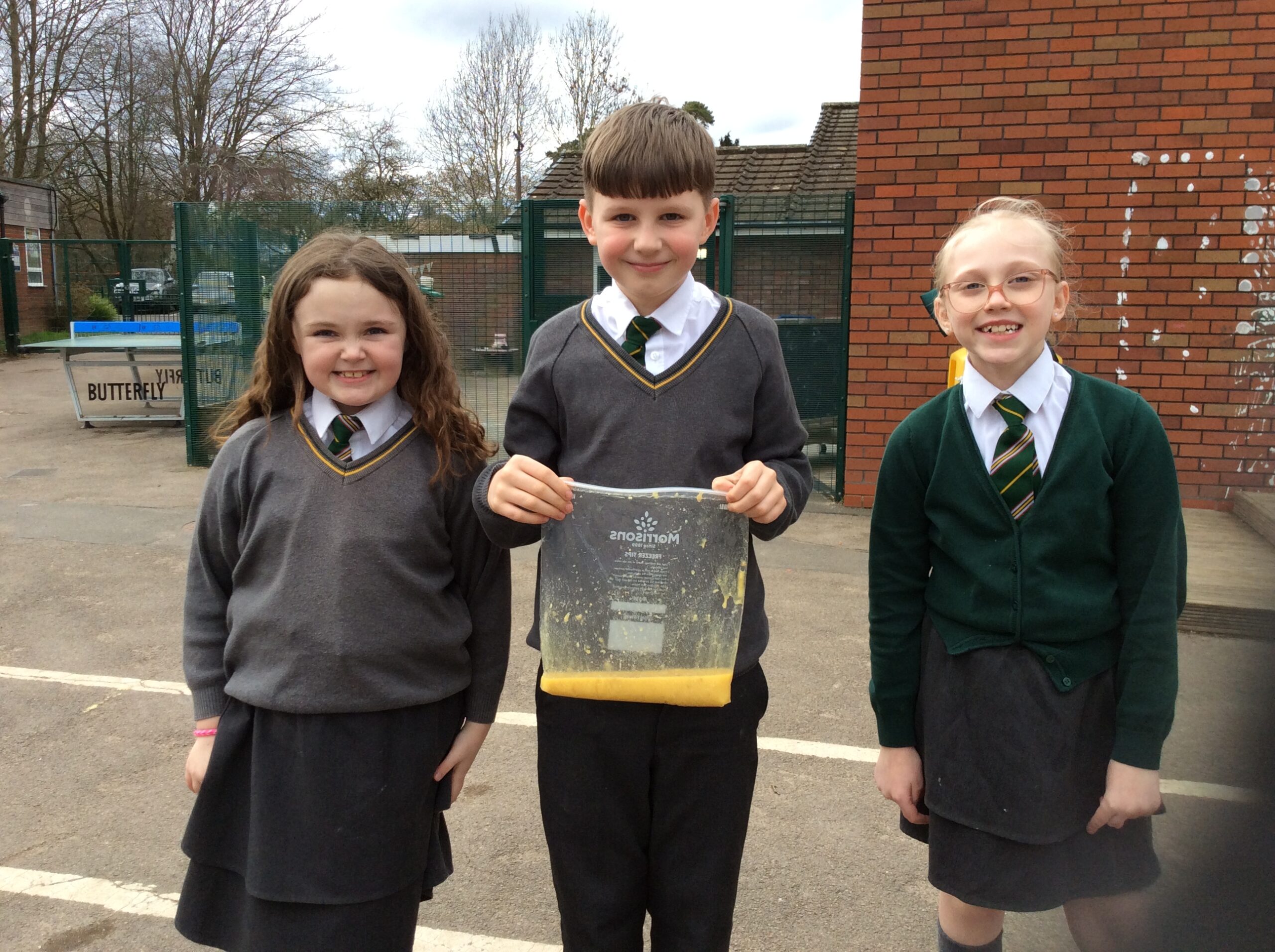
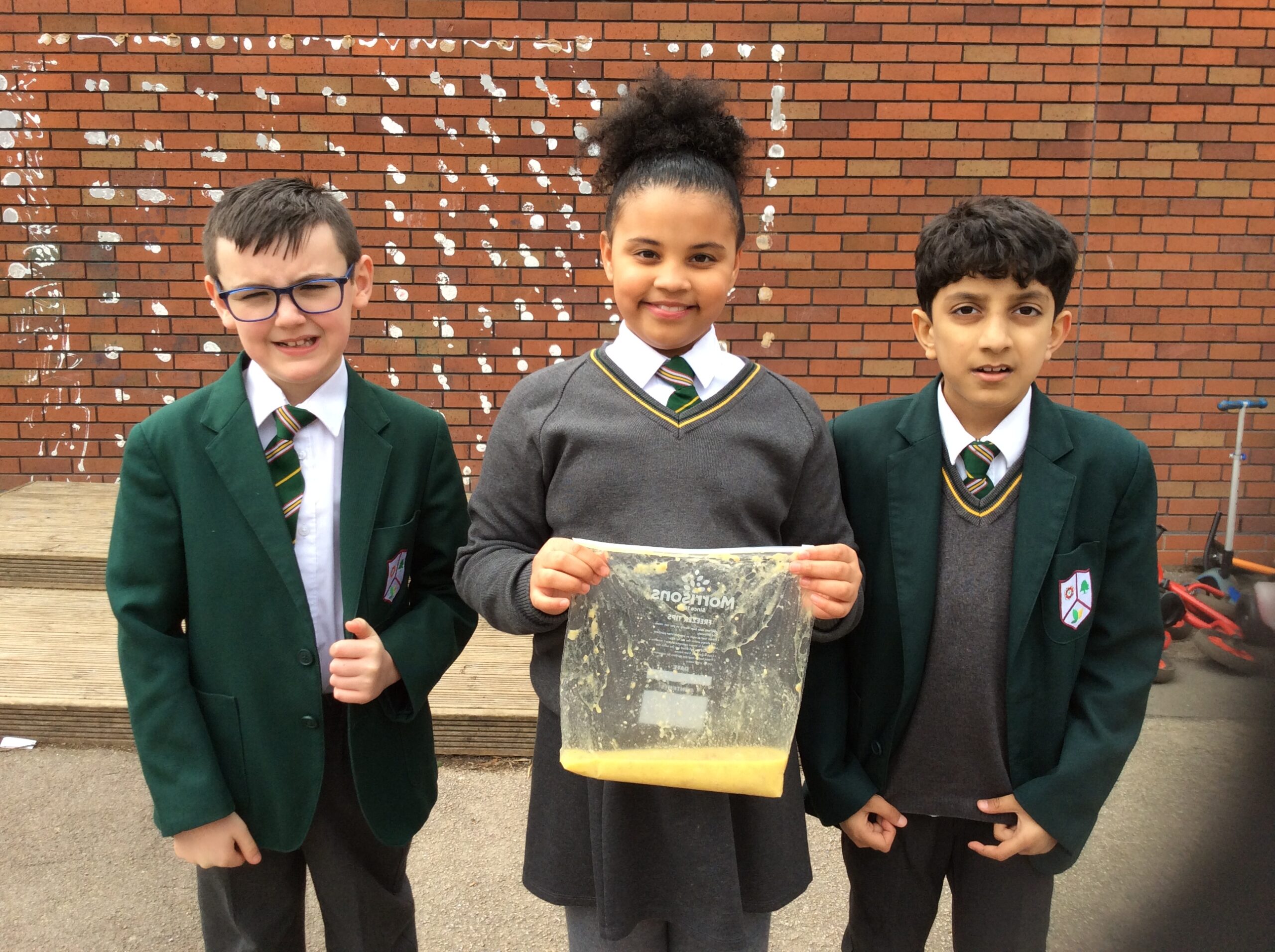
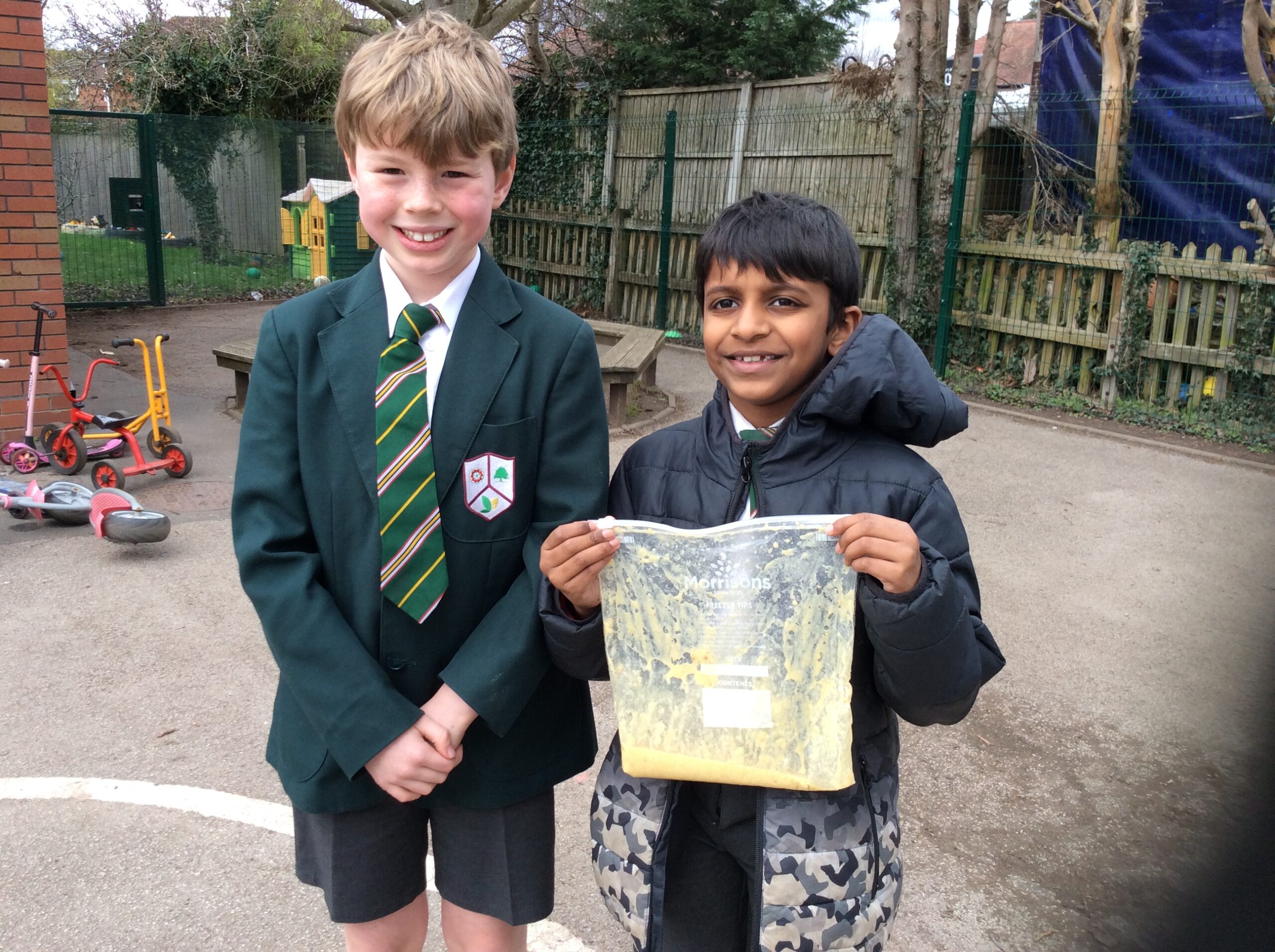
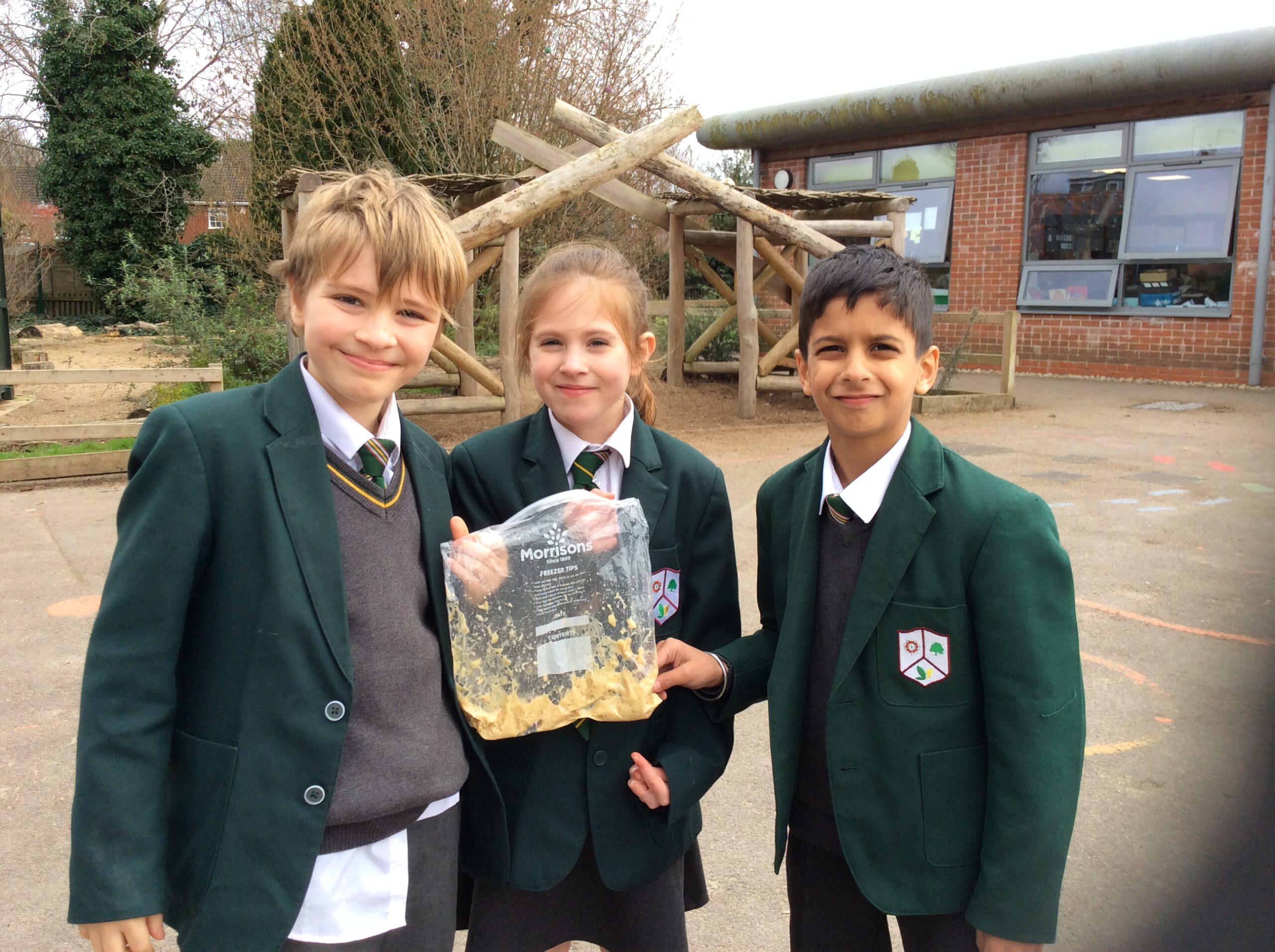
Into the stomach – Breaking down the food
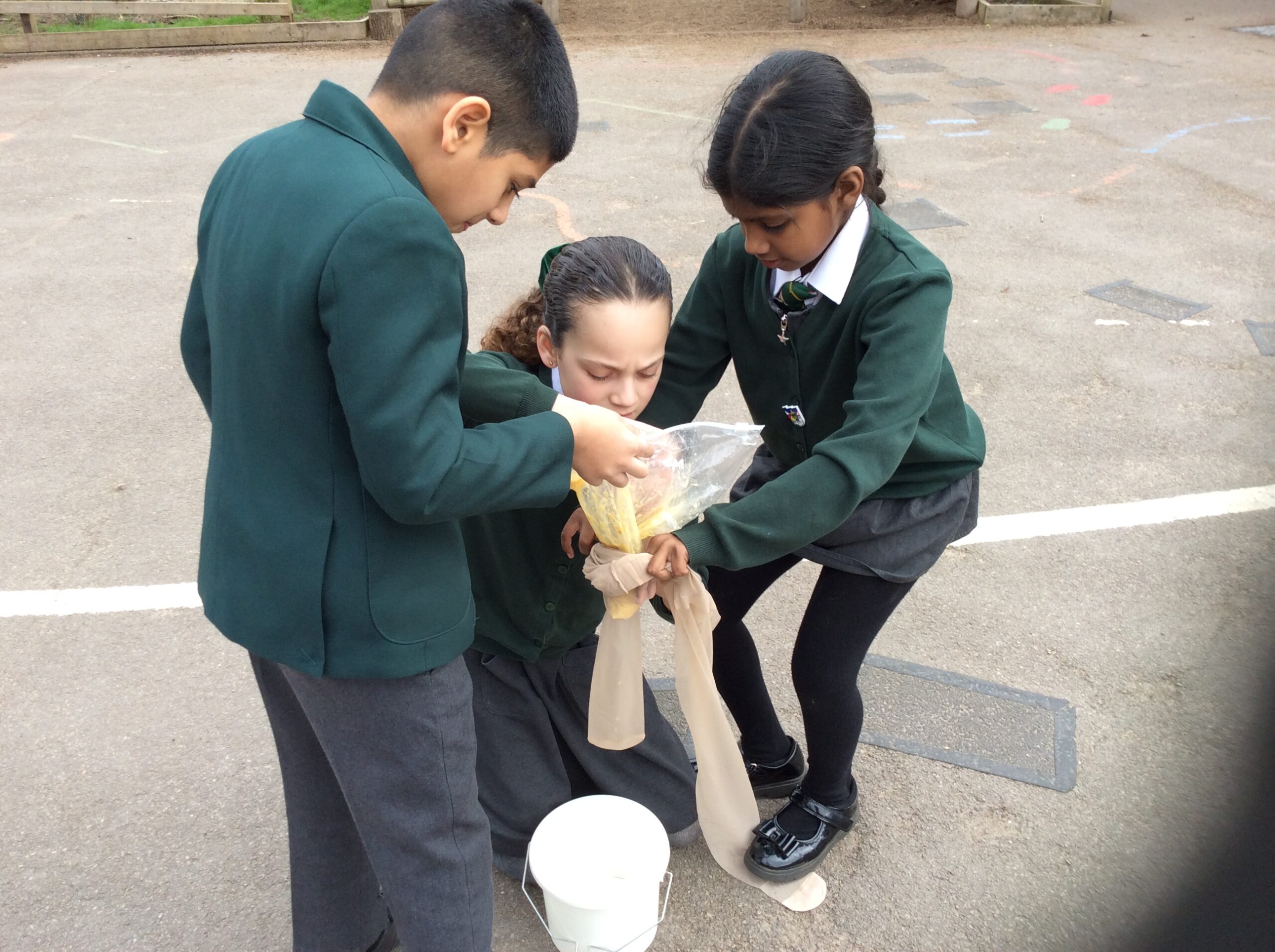
From there, it was time to enter the “stomach.” The mushy mixture was transferred into a clear bag, symbolising this powerful organ. The children then poured in orange juice, which represented stomach acid. They were fascinated to see how the “acid” reacted with the food mixture, helping to break it down even further. Just like in the real stomach, the liquid softened, dissolved and churned the food.
The Small Intestine – Absorbing the nutrients
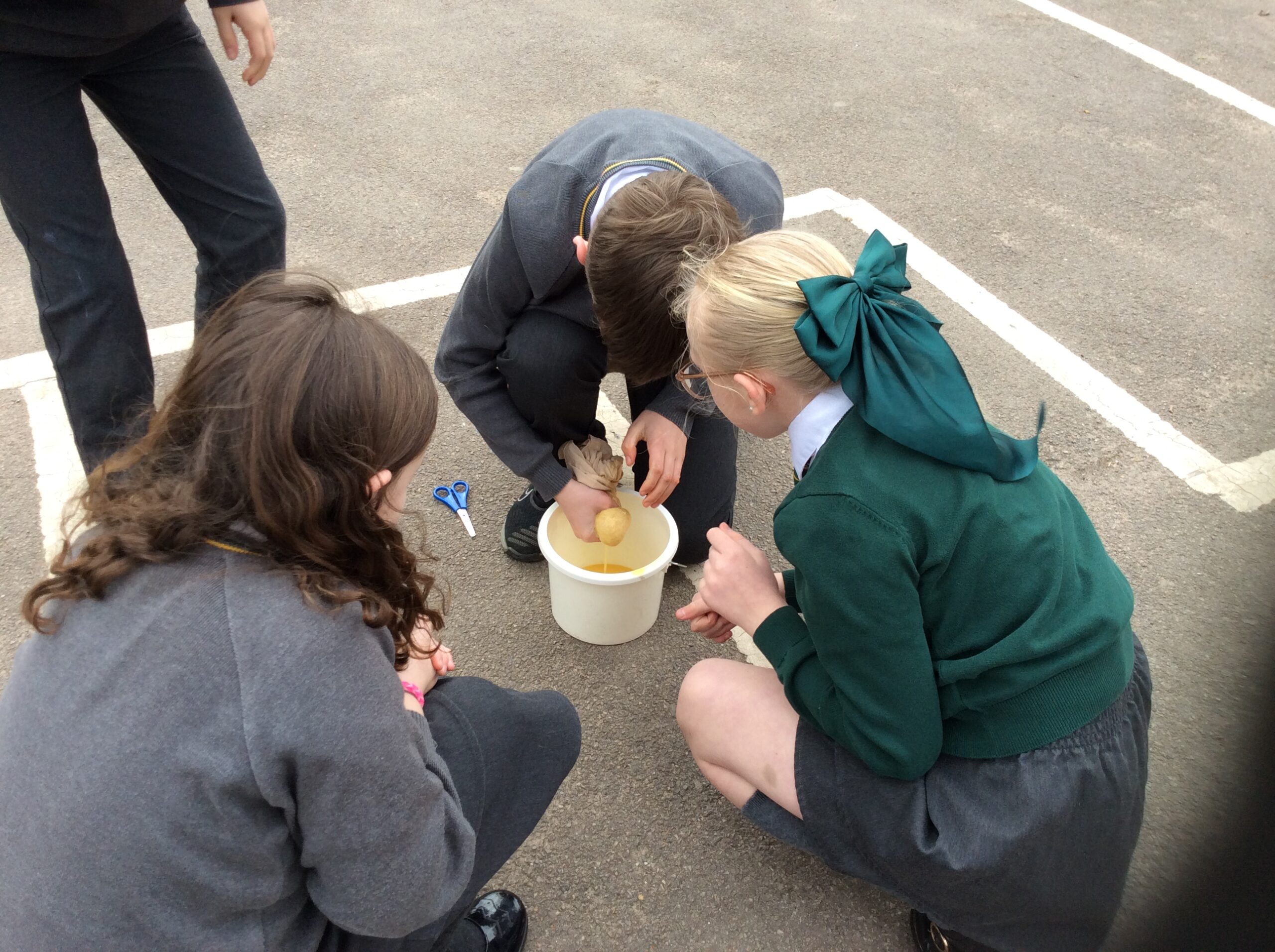
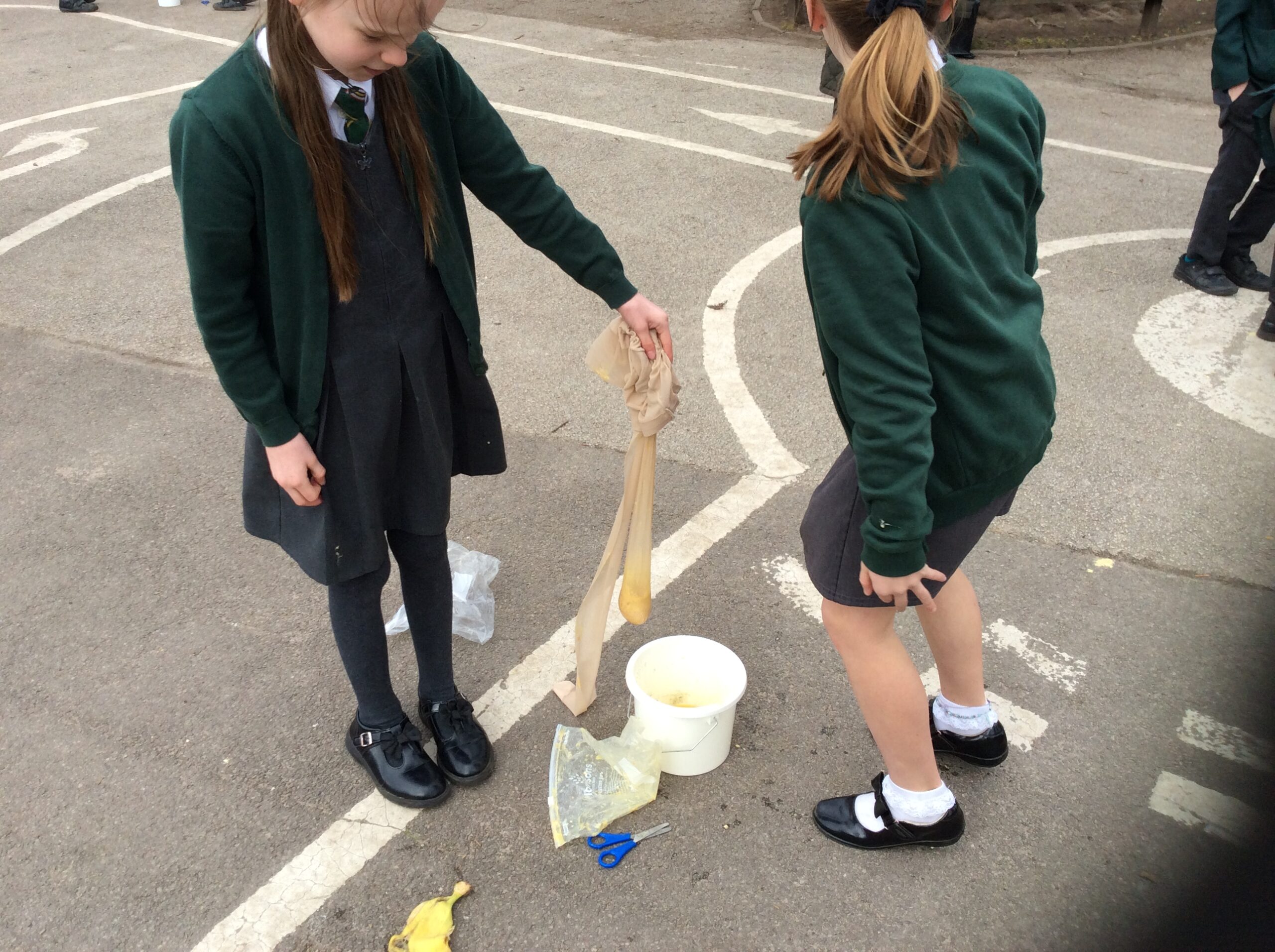
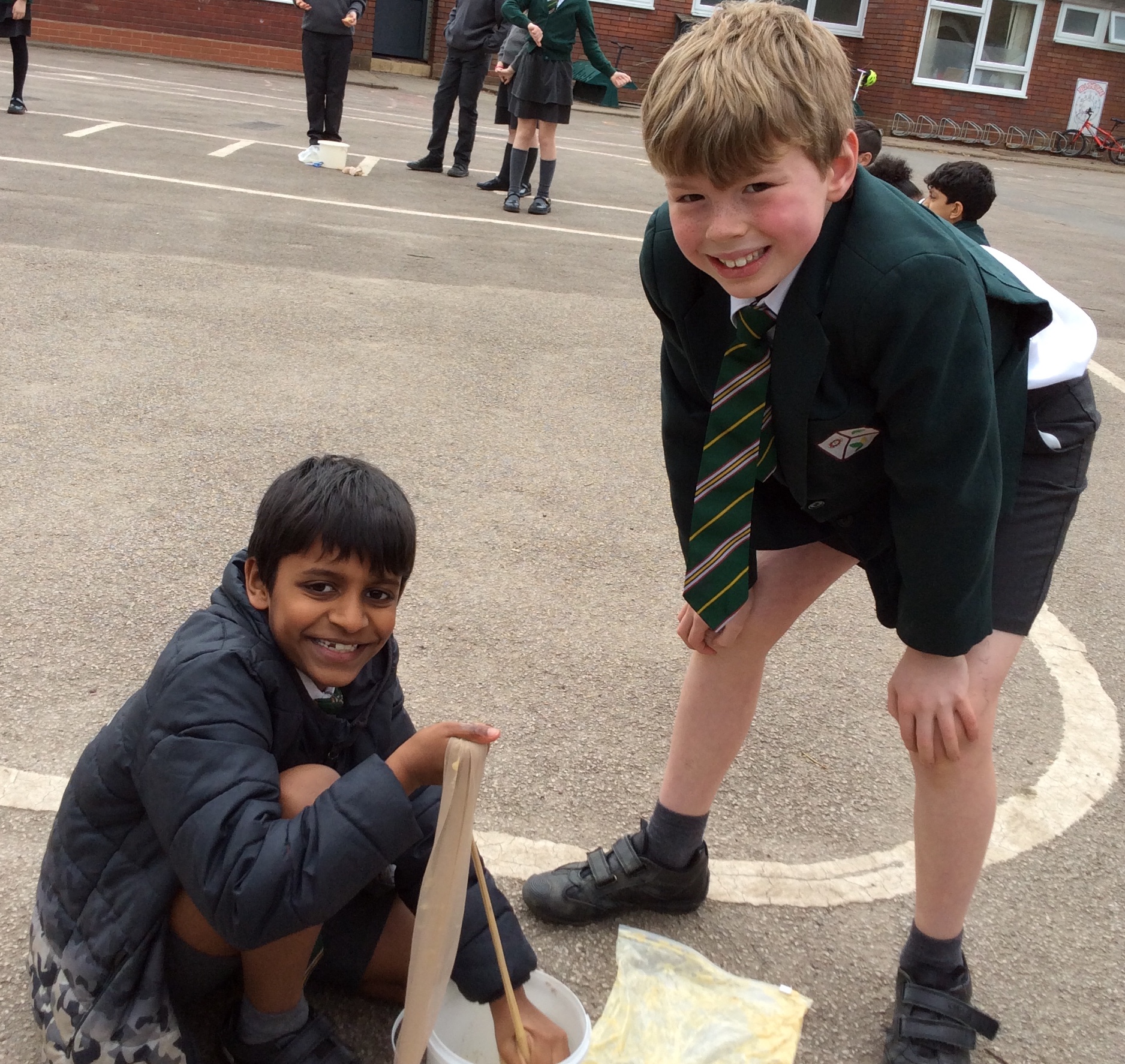
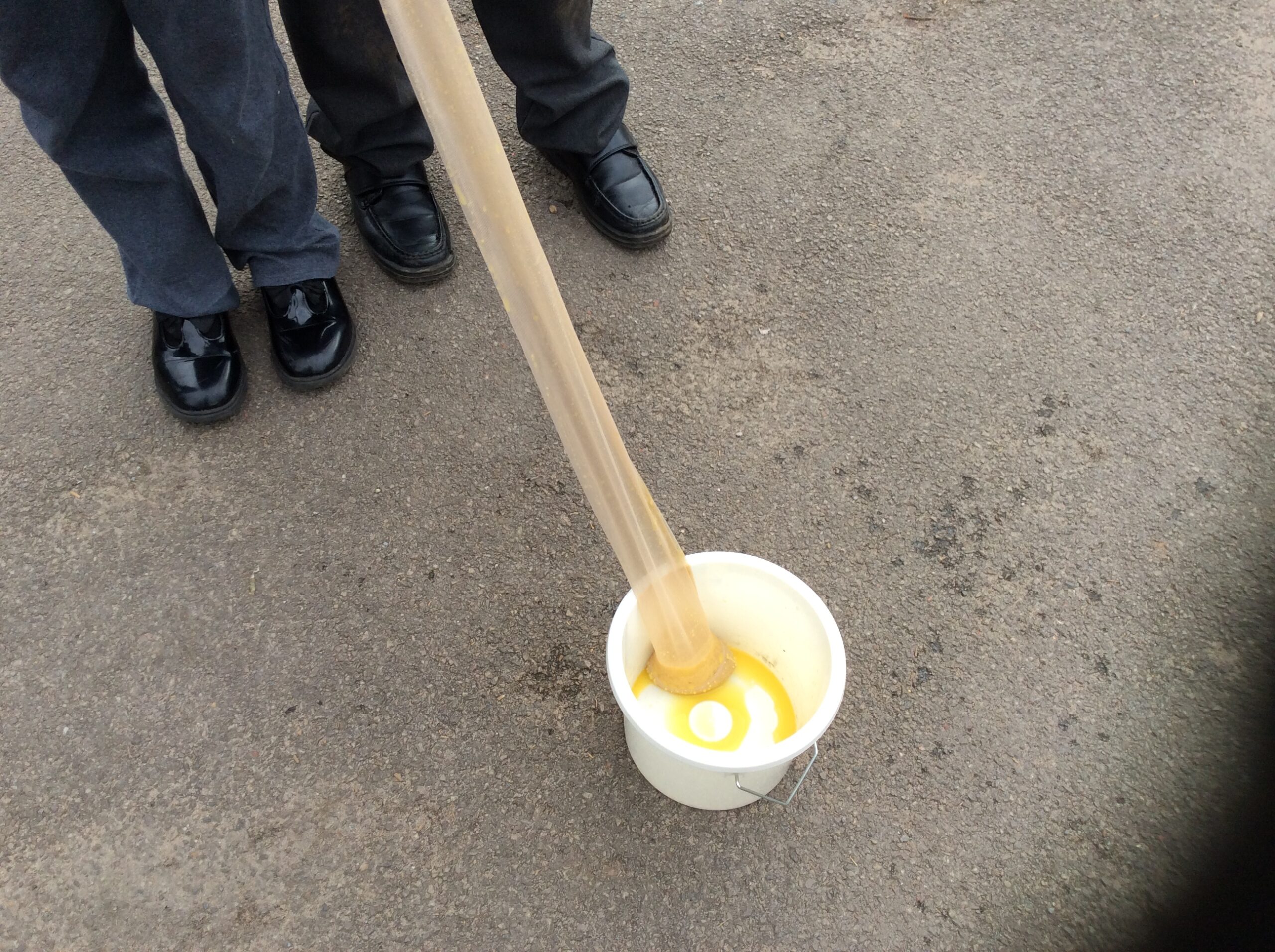
Next came a class favourite: the small intestine model. Using tights as a stand-in for the real organ, the children spooned their stomach mixture inside. As they squeezed the tights from top to bottom, they watched liquid nutrients slowly drain out, just as they would be absorbed into the bloodstream in the real digestive system. It was a brilliant way to visualise how the body takes what it needs from food.
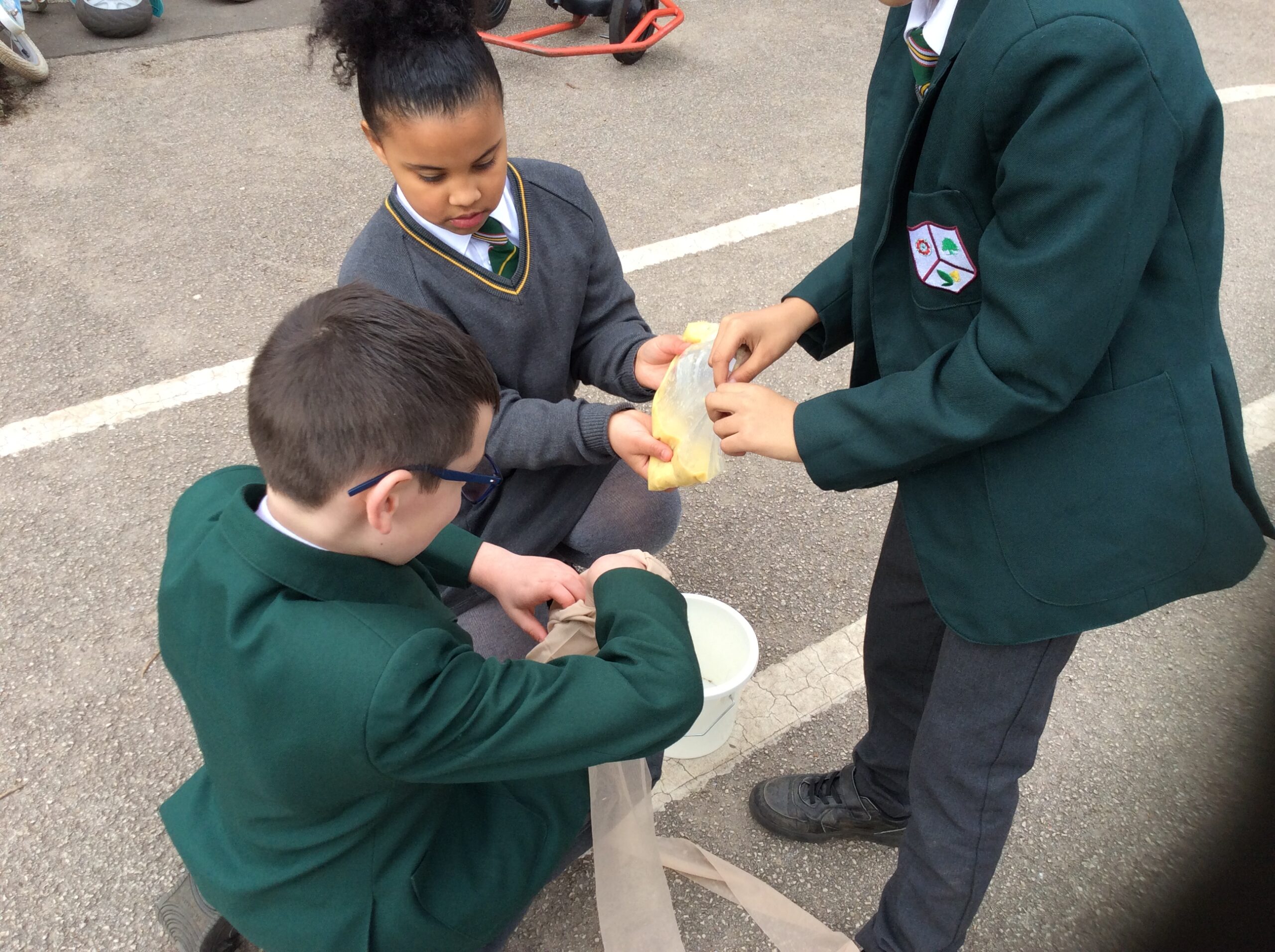
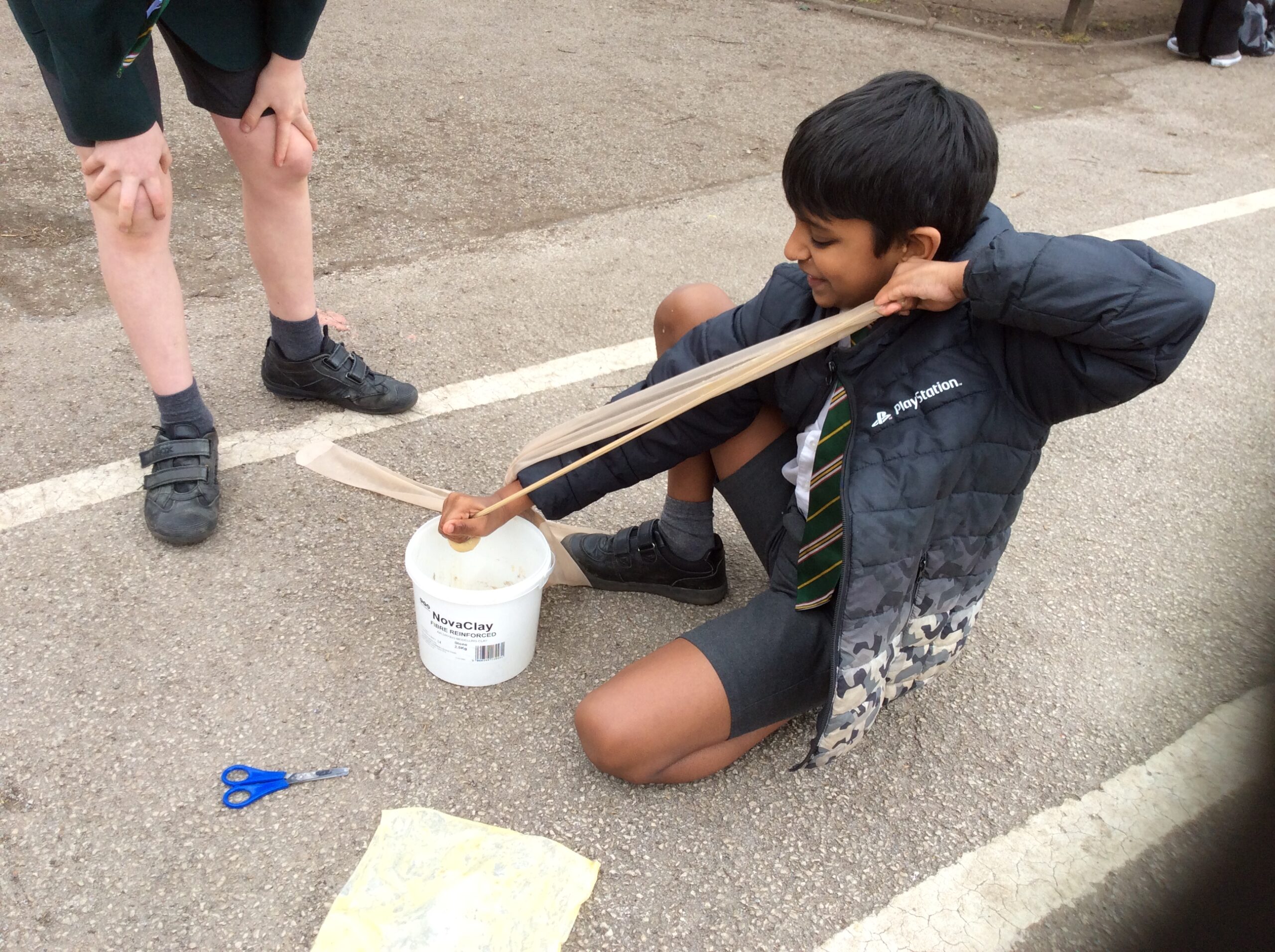
The left overs
What was left in the small intestine (tights) represented the faeces. This is the waste our body does not need nor want. Our faeces is stored in the rectum until we need to go to the toilet.
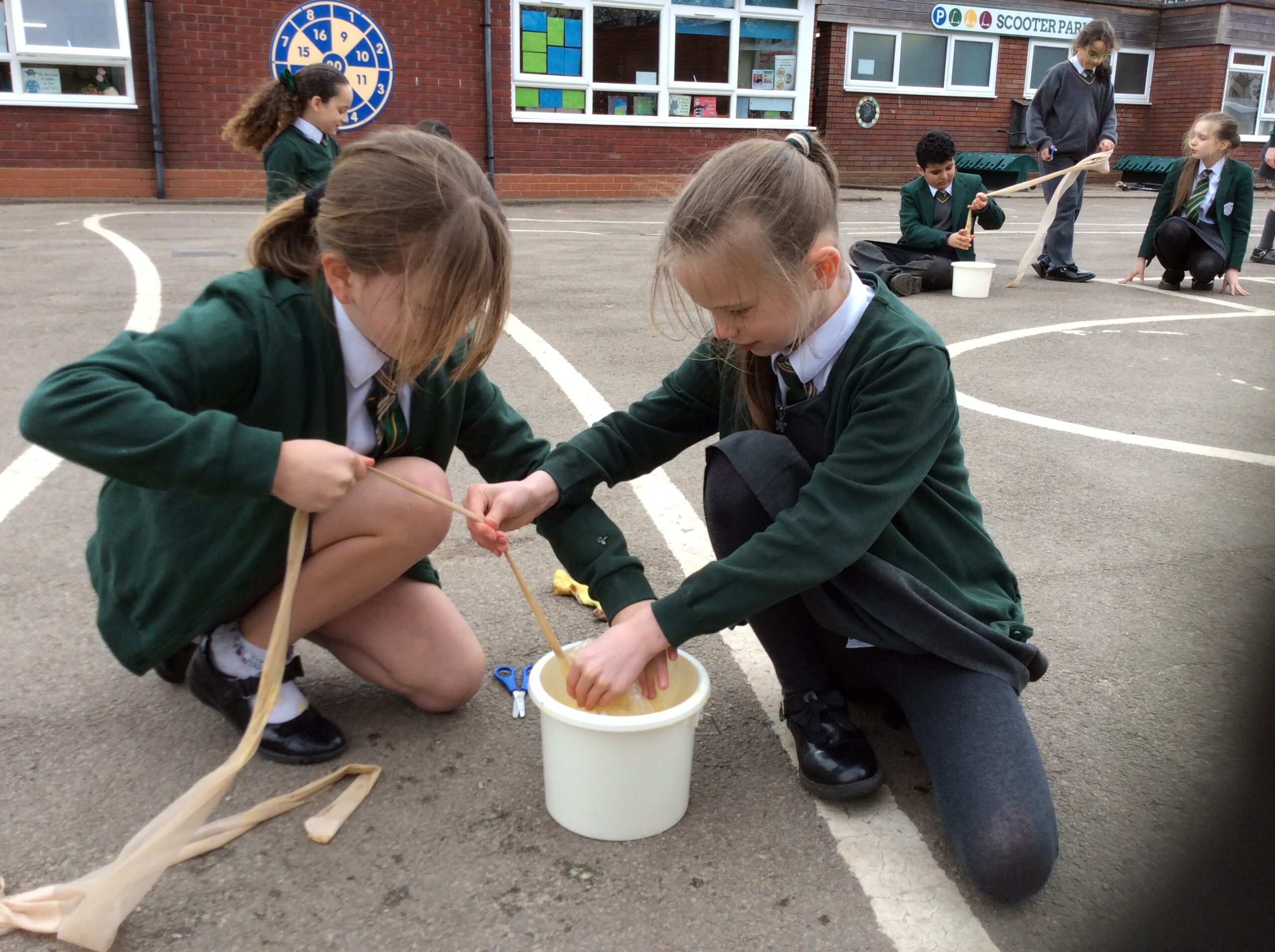
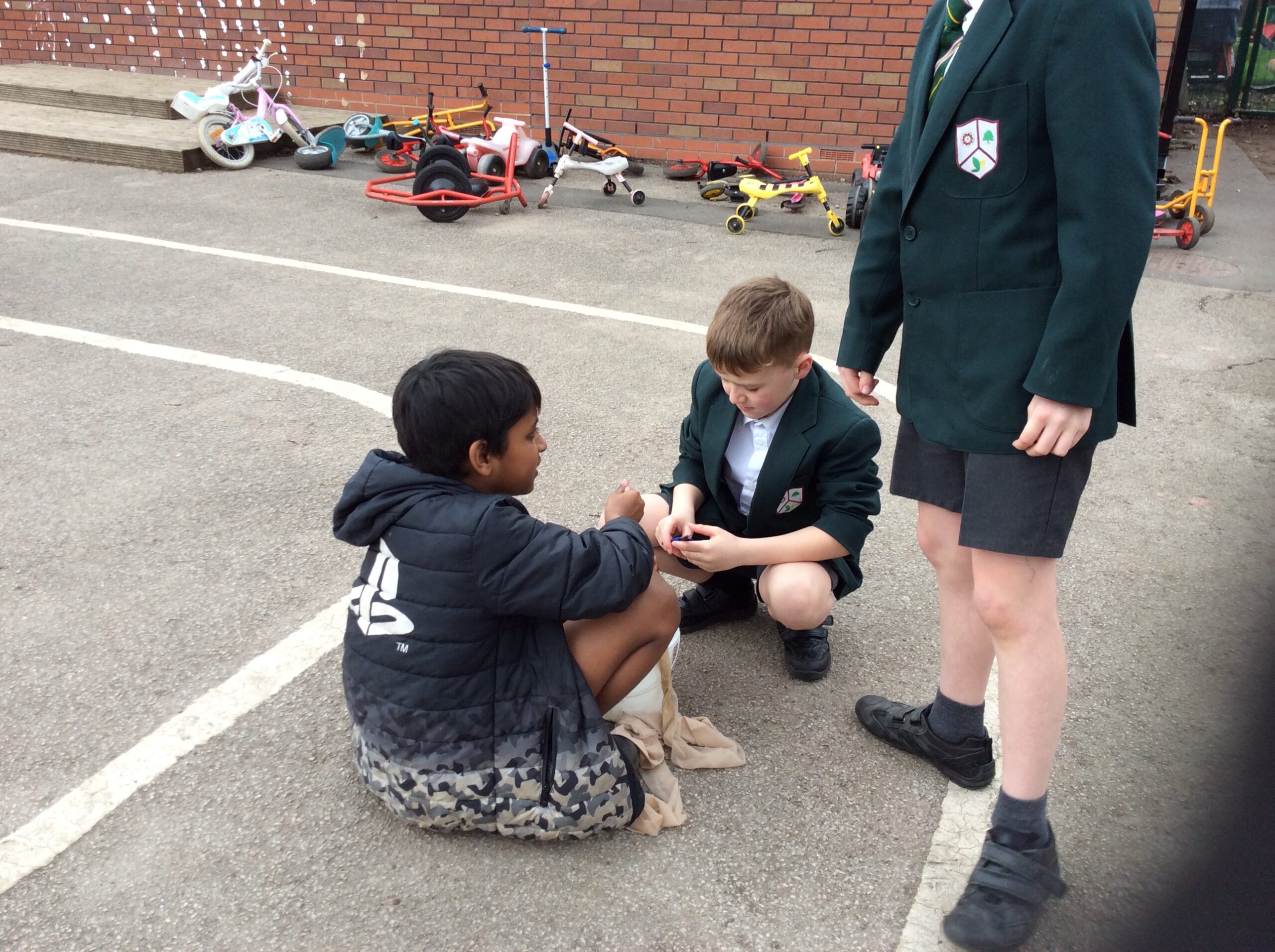
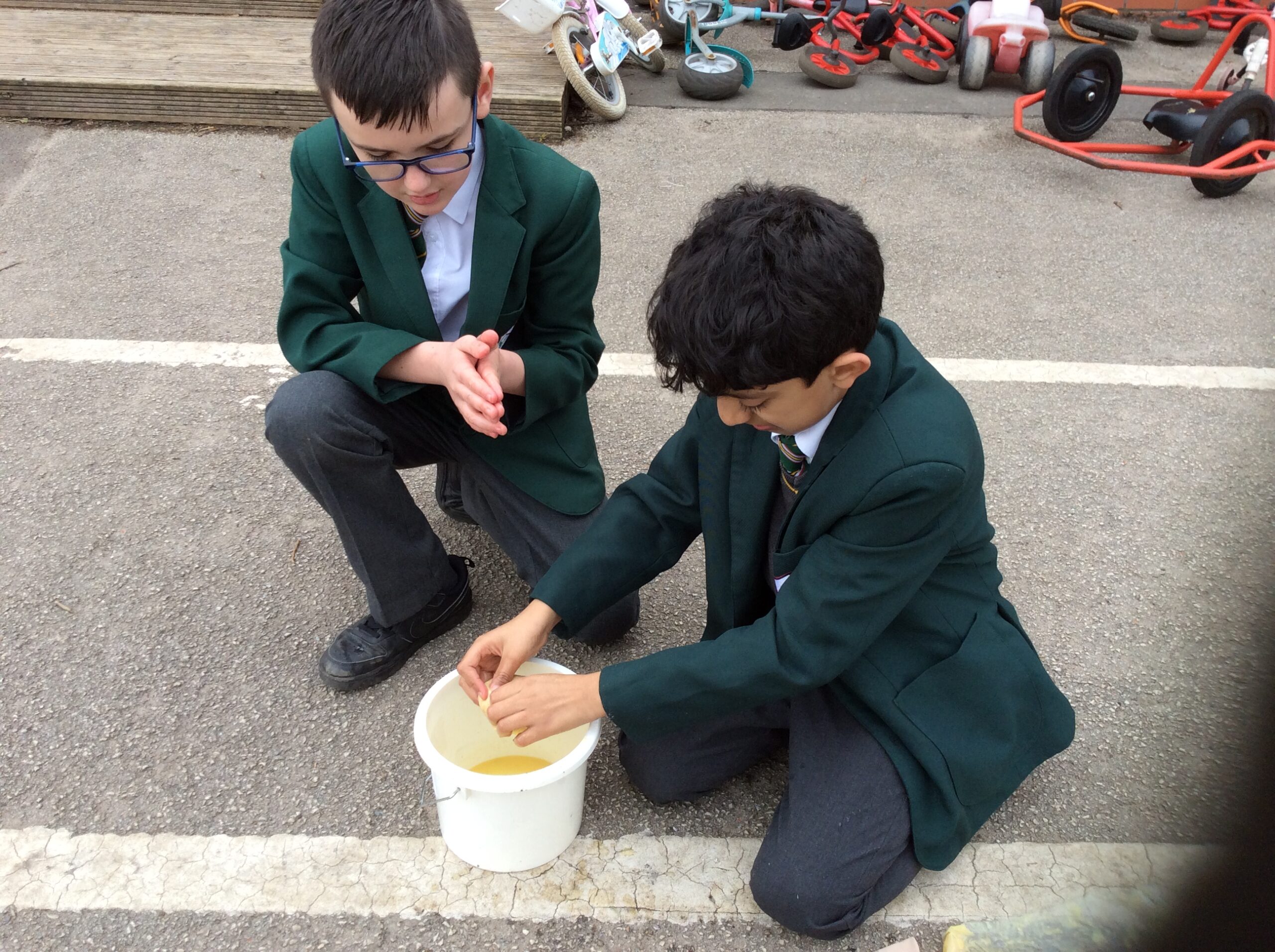
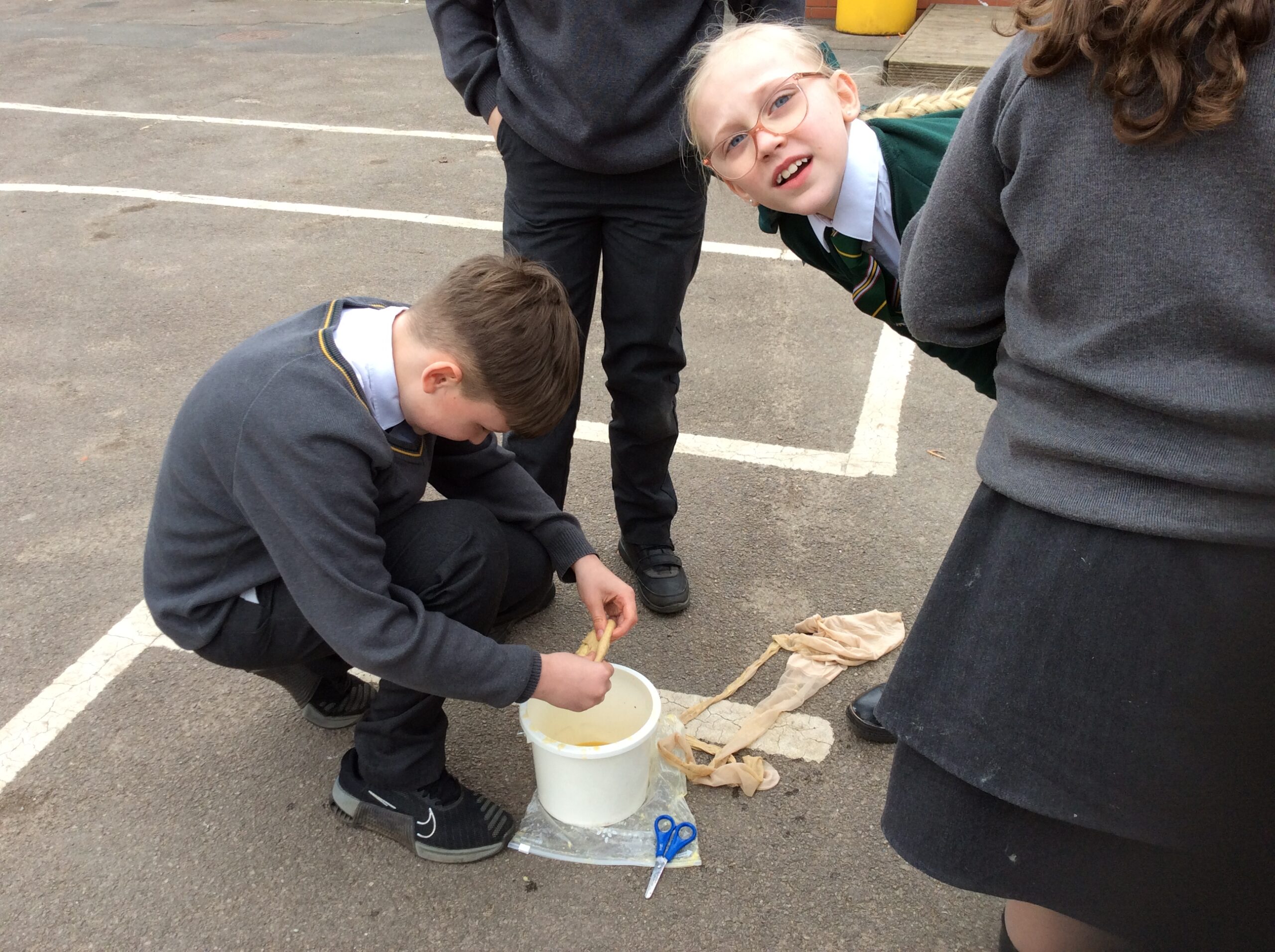
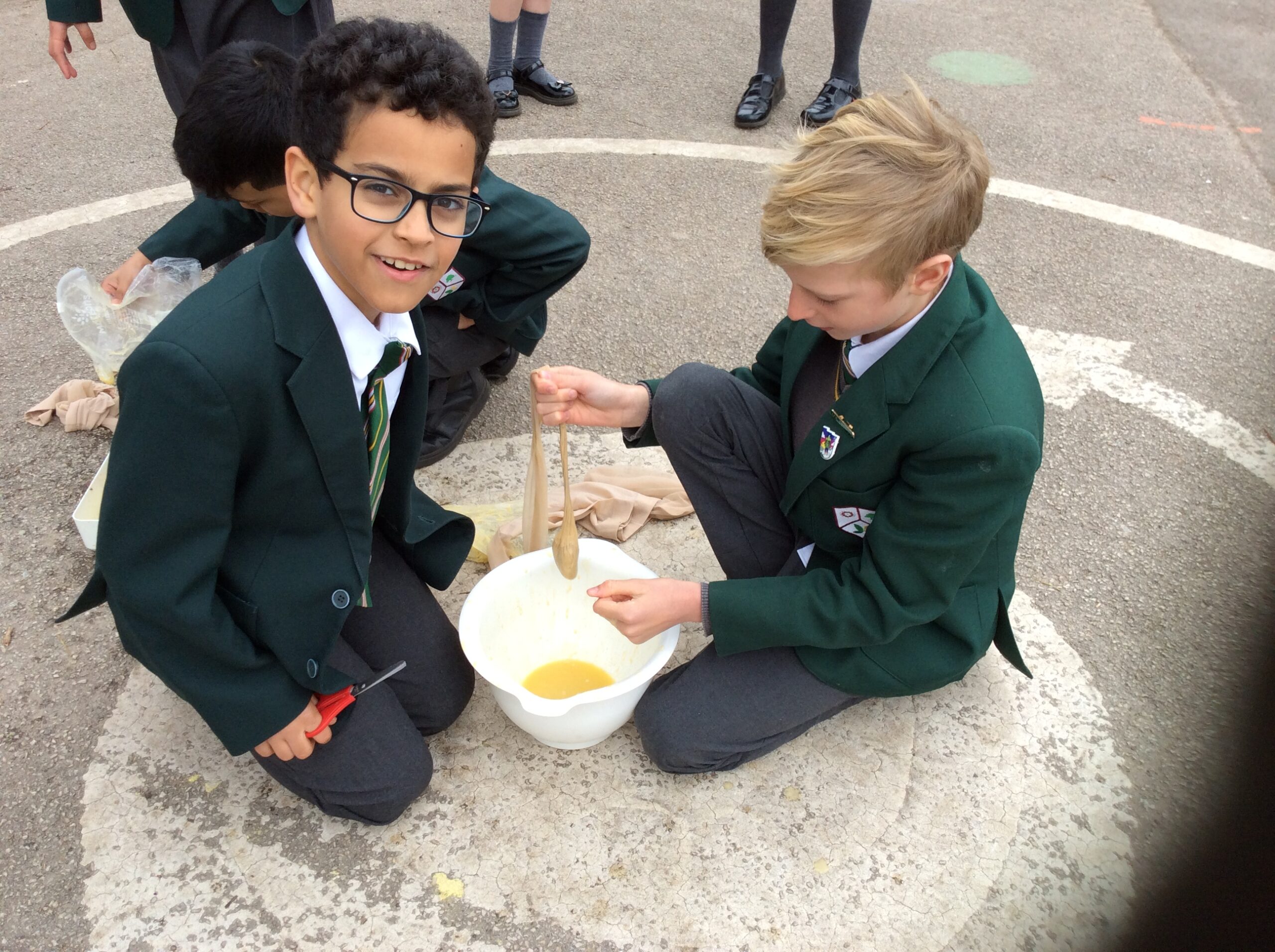
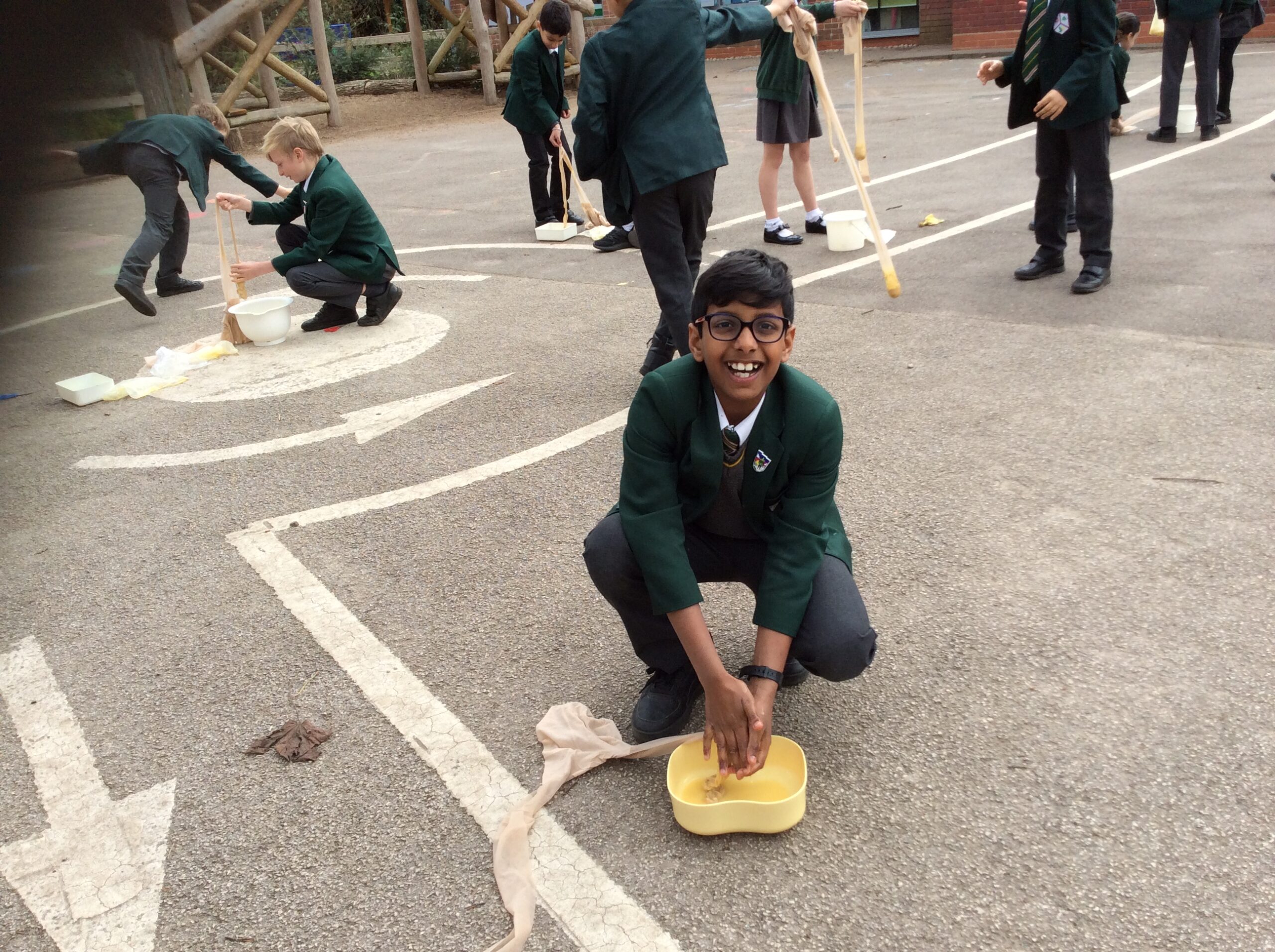
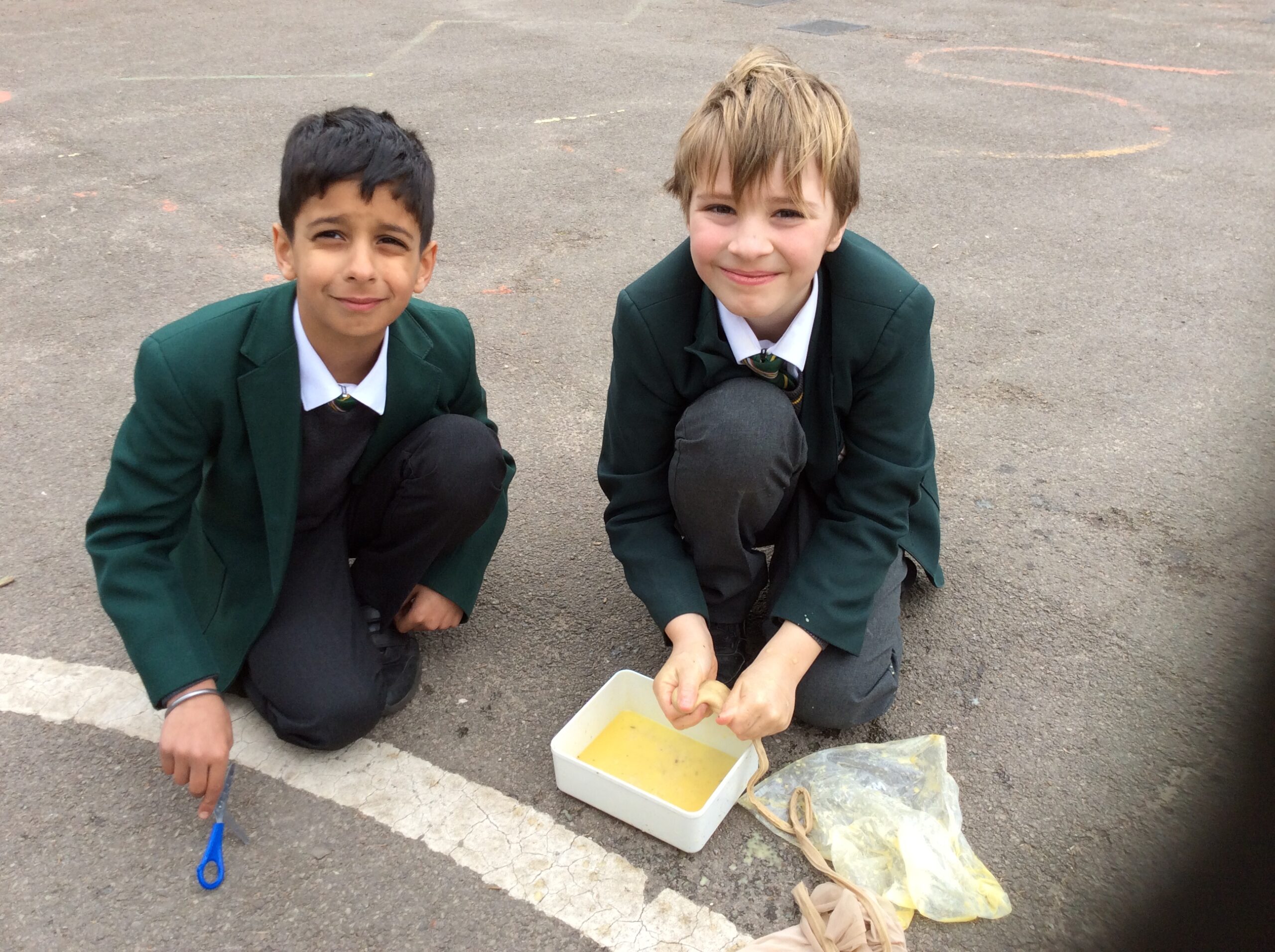
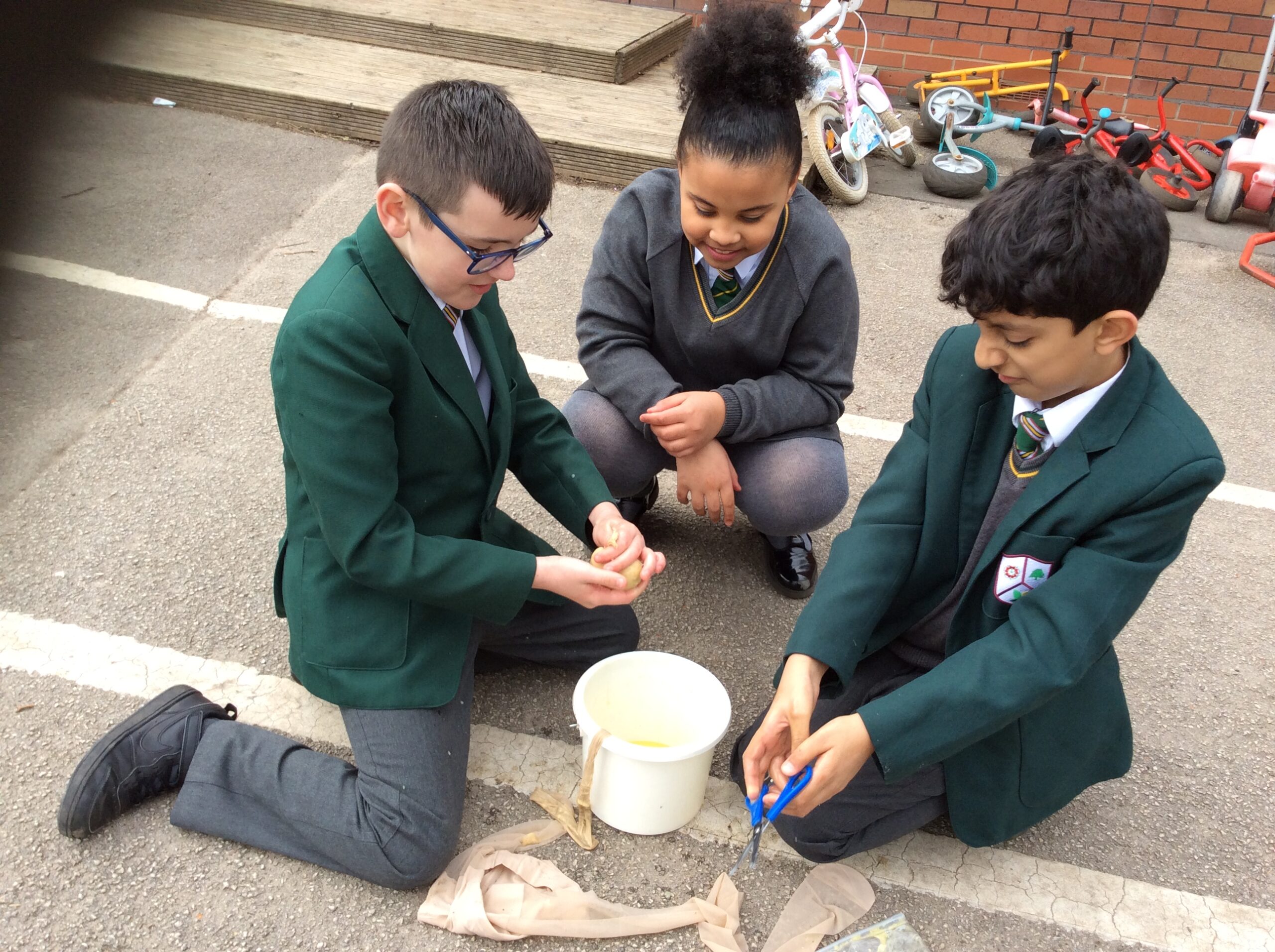
This hands-on replication gave the children a memorable understanding of how our bodies turn food into fuel. Instead of simply reading about digestion, they experienced it step by step – seeing, touching, and even hearing the process as they worked their way from mouth to intestine.
Year 4 were full of laughter, curiosity and a few disgusted reactions as the children discovered just how incredible the human body really is.