21-09-2026
Flexible Partitioning
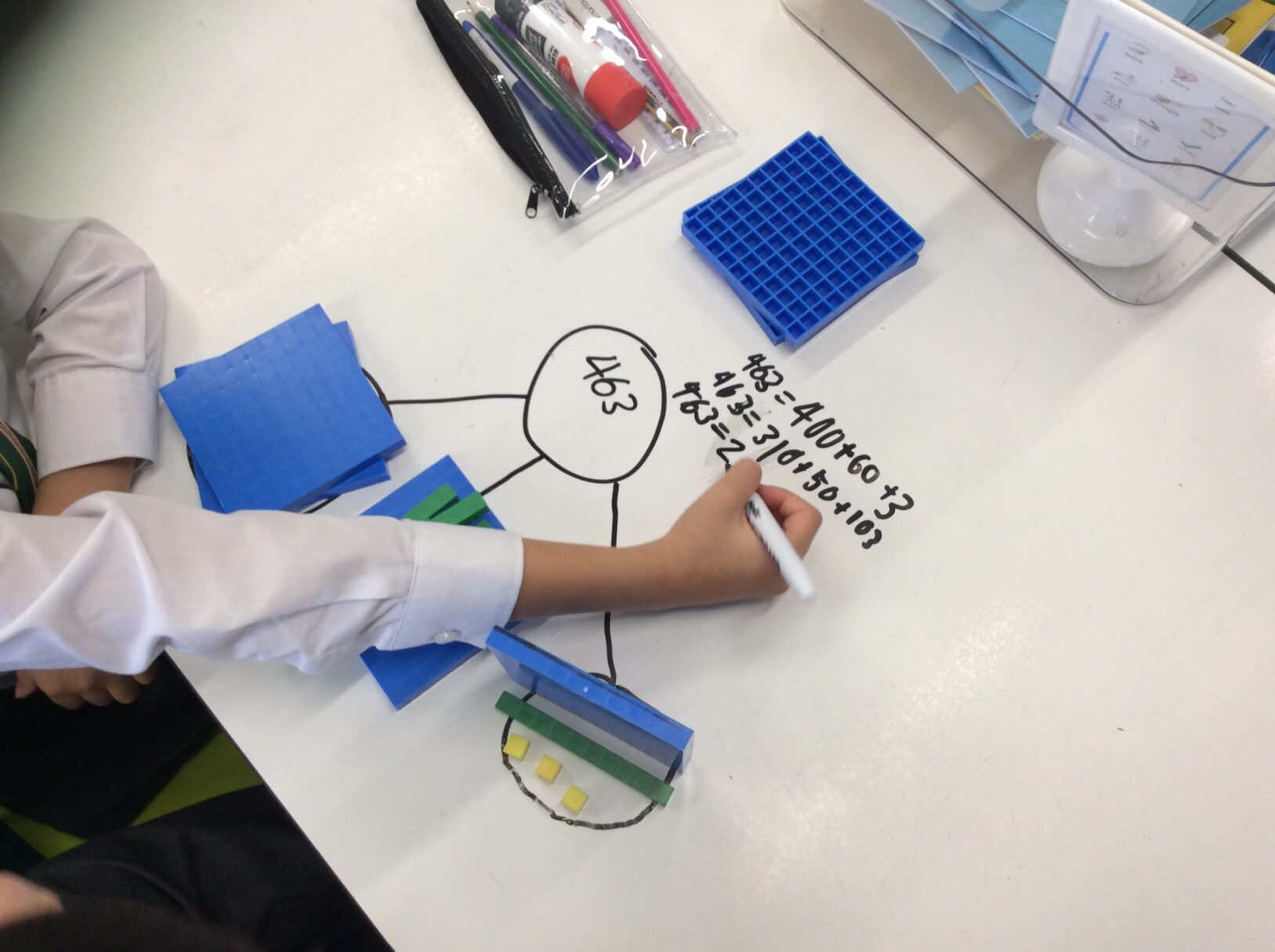
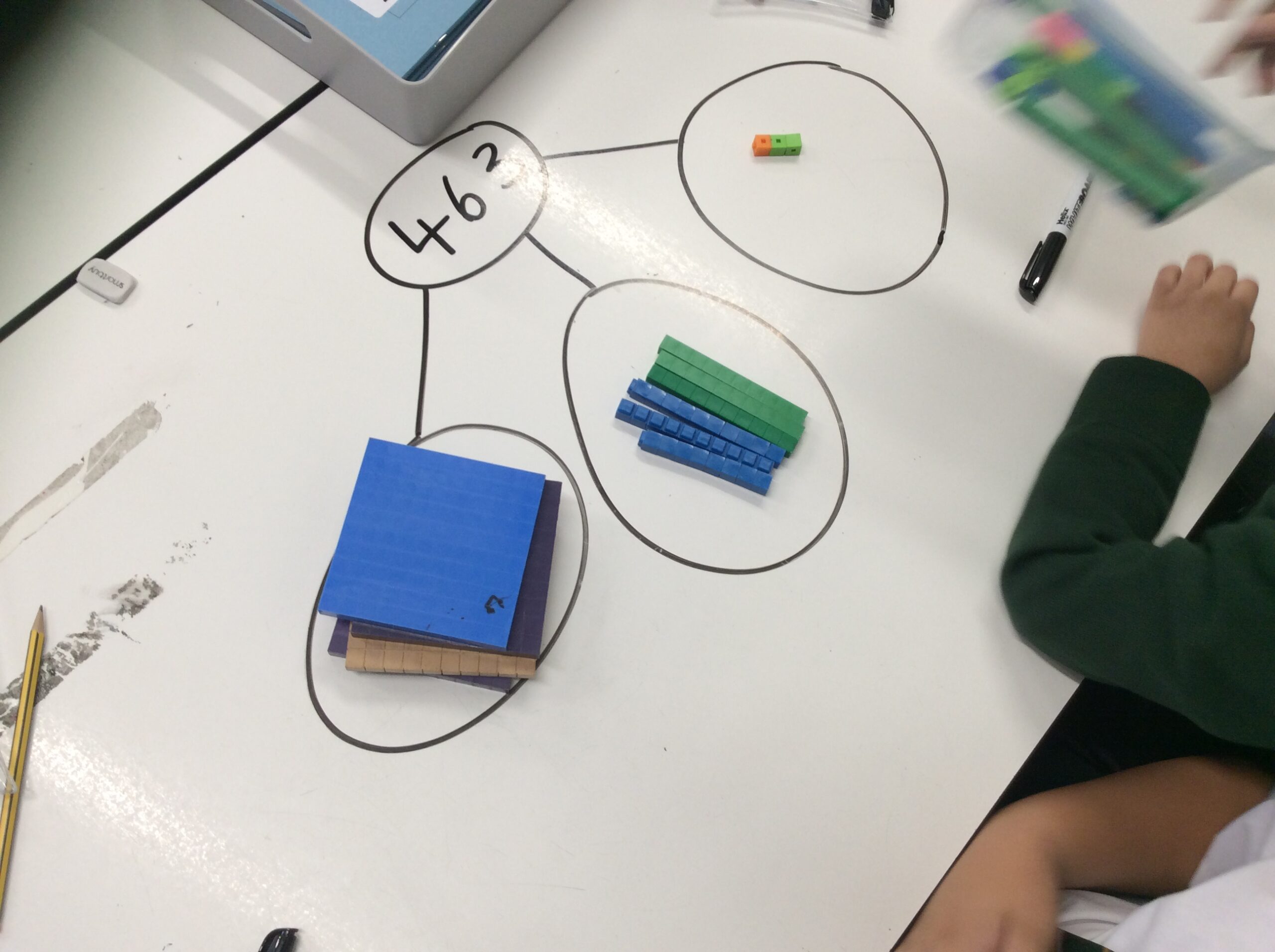
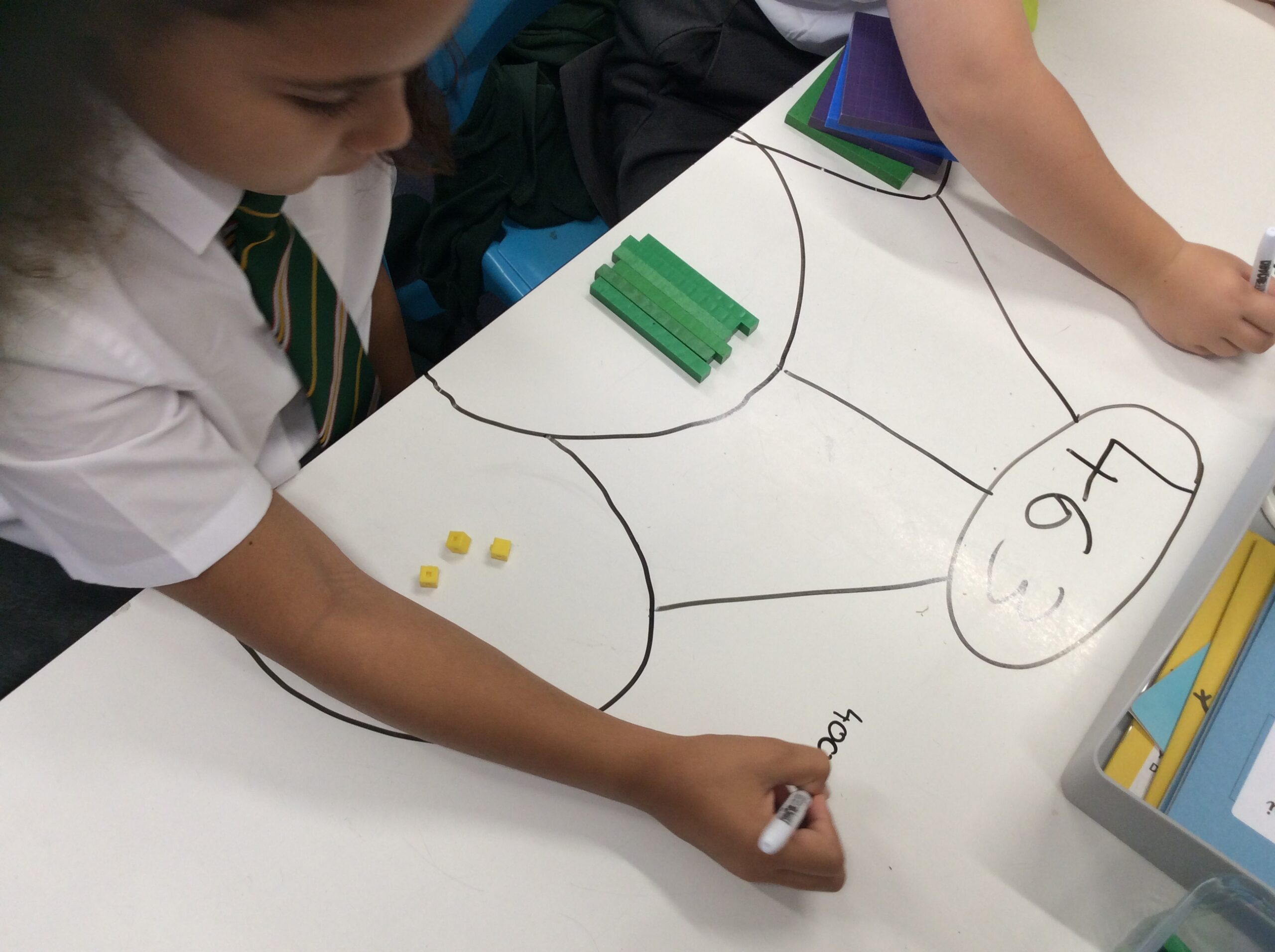
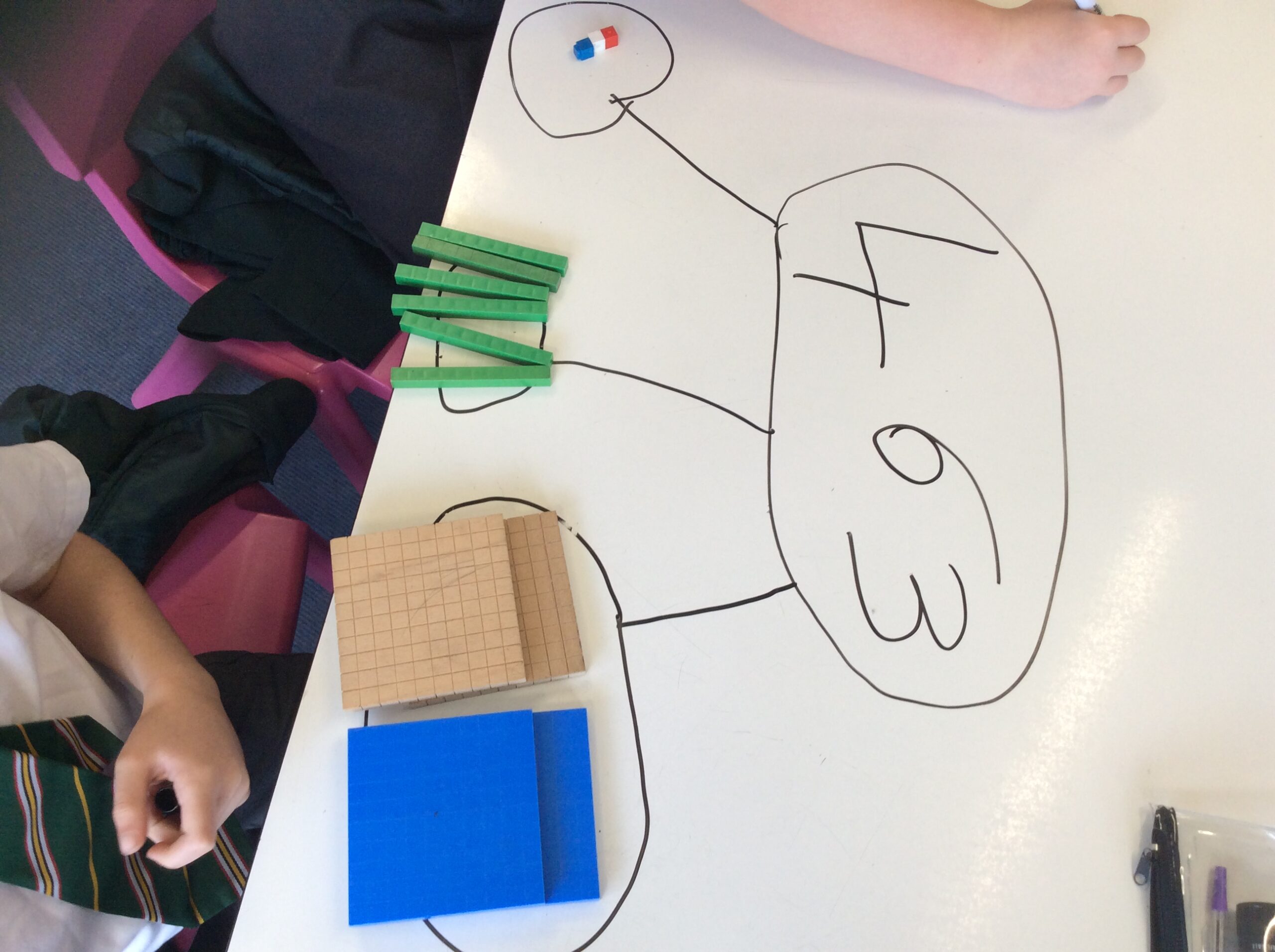
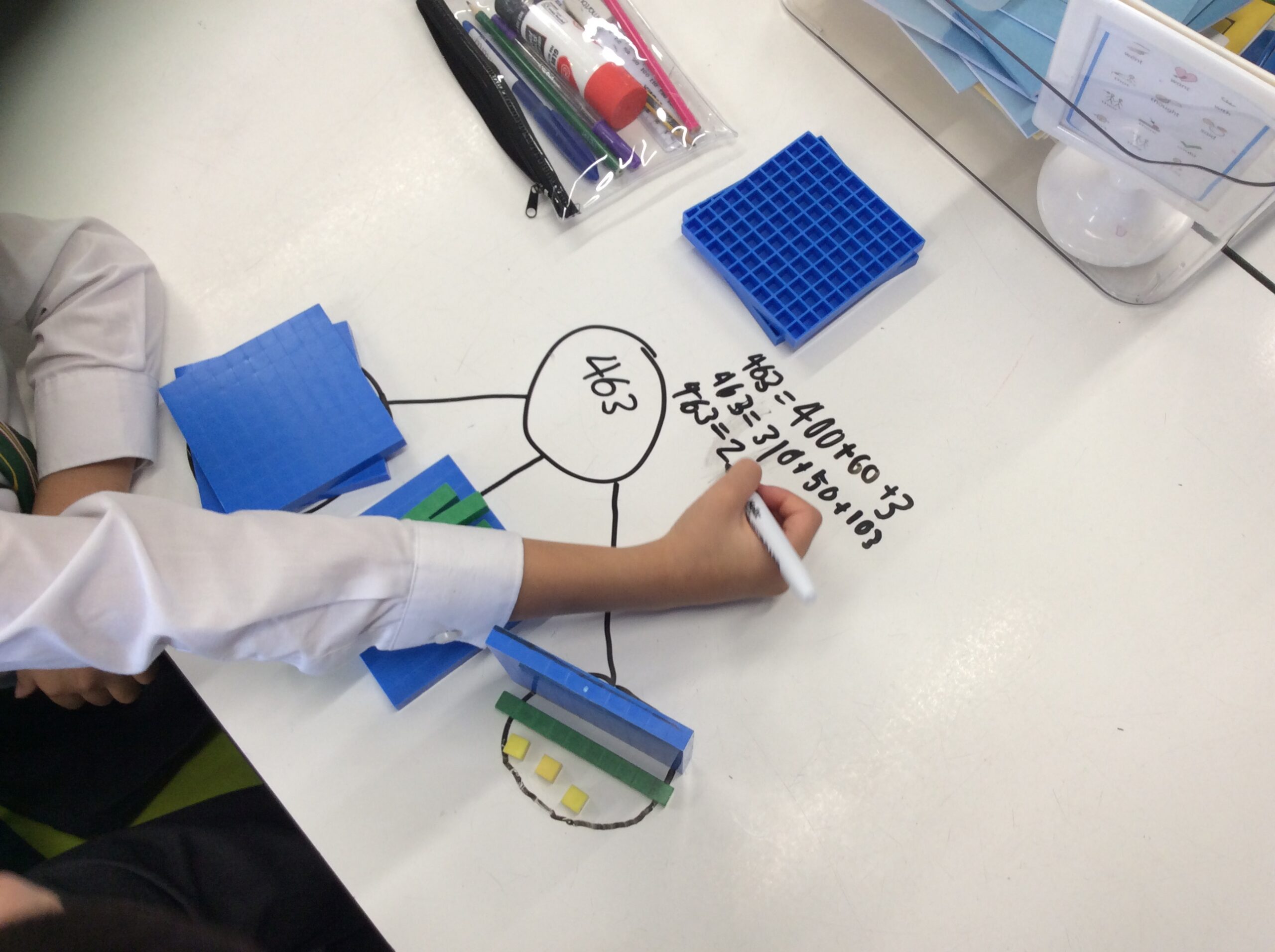
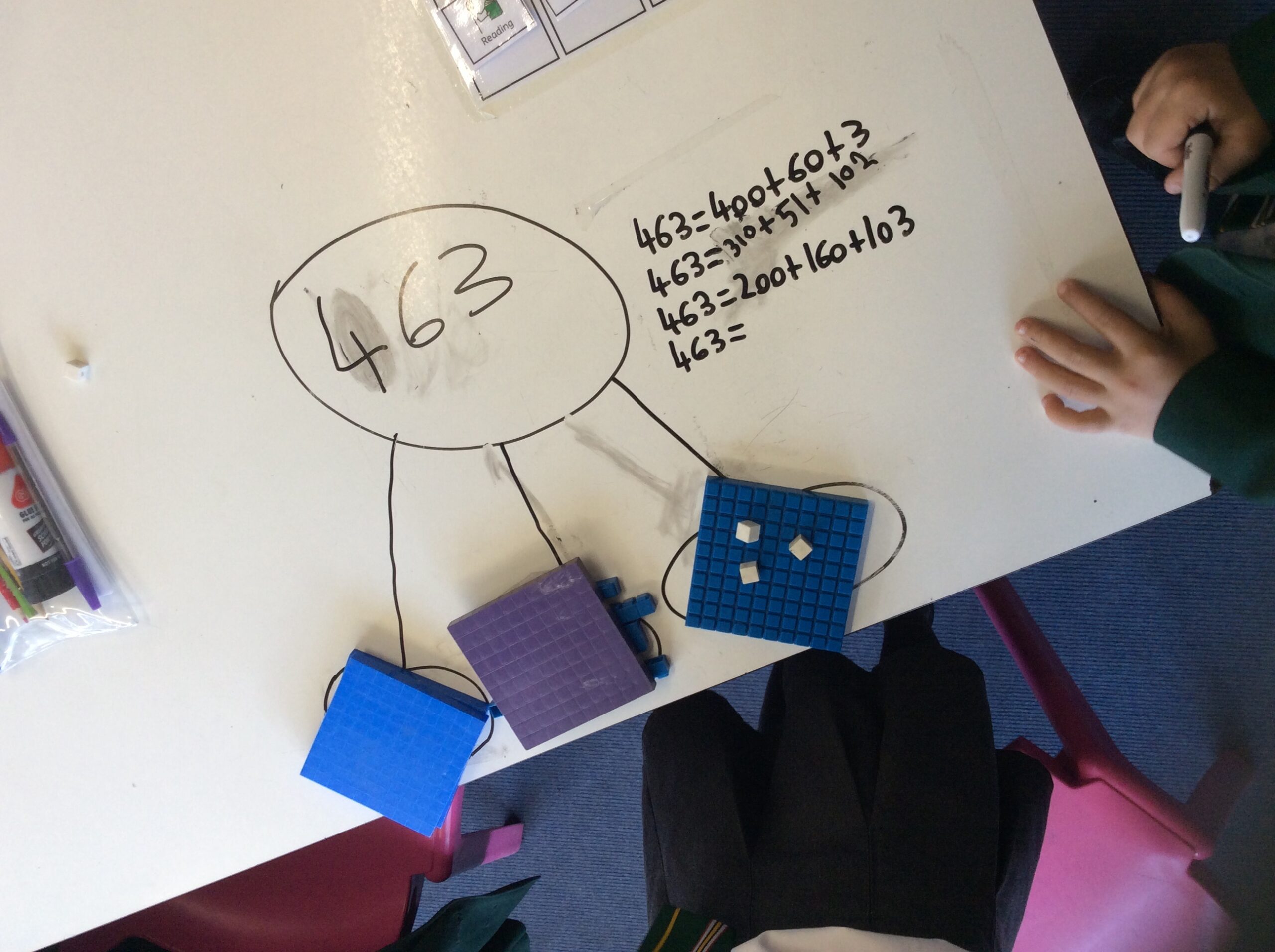
This week in Maths, Year 3 have been developing their understanding of place value by exploring flexible partitioning. To begin, we revisited standard partitioning of 3-digit numbers. Standard partitioning involves breaking a number into its hundreds, tens and ones. For example:
356 = 300 + 50 + 6
This helps children understand the value of each digit within a number.
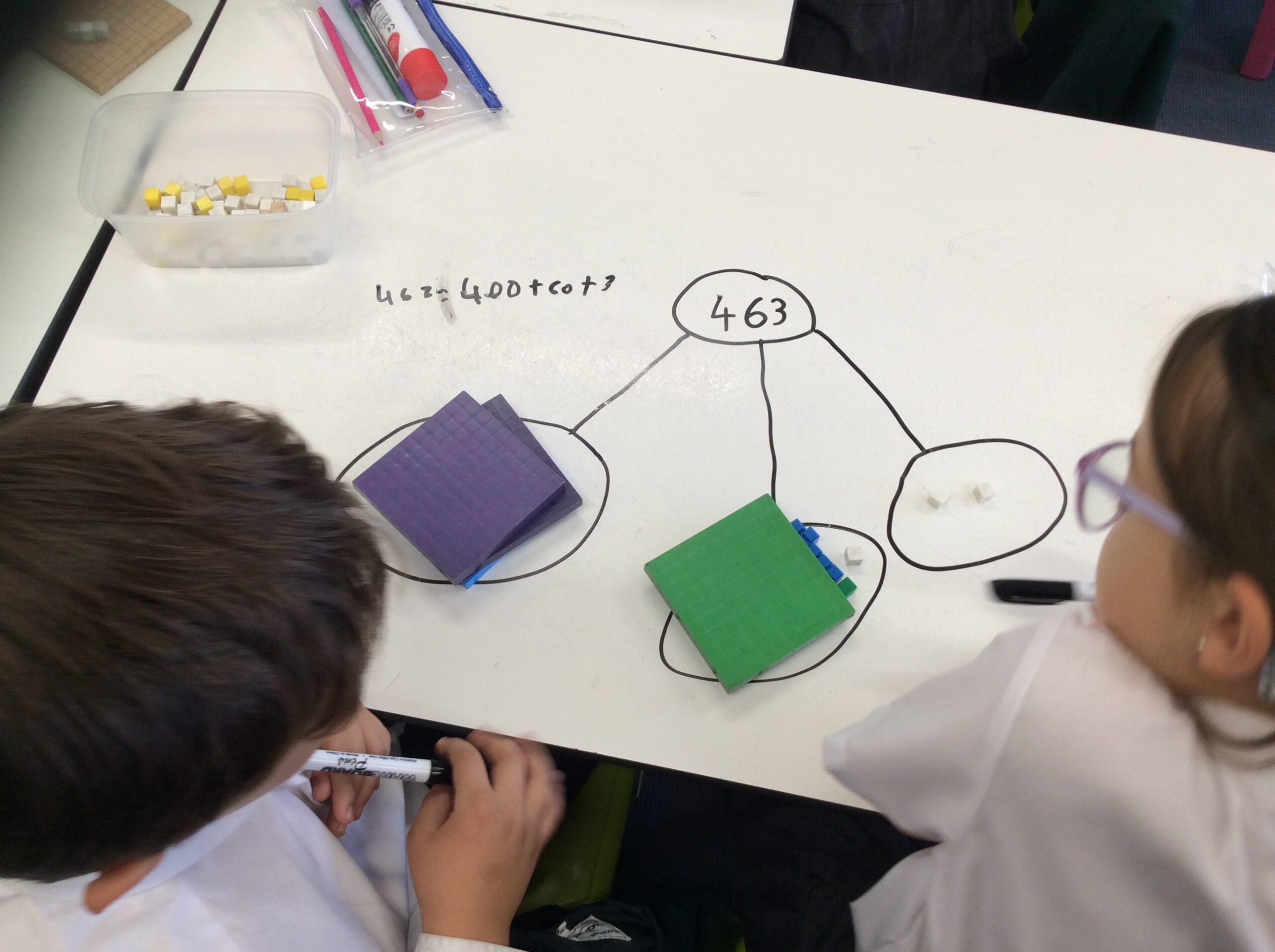
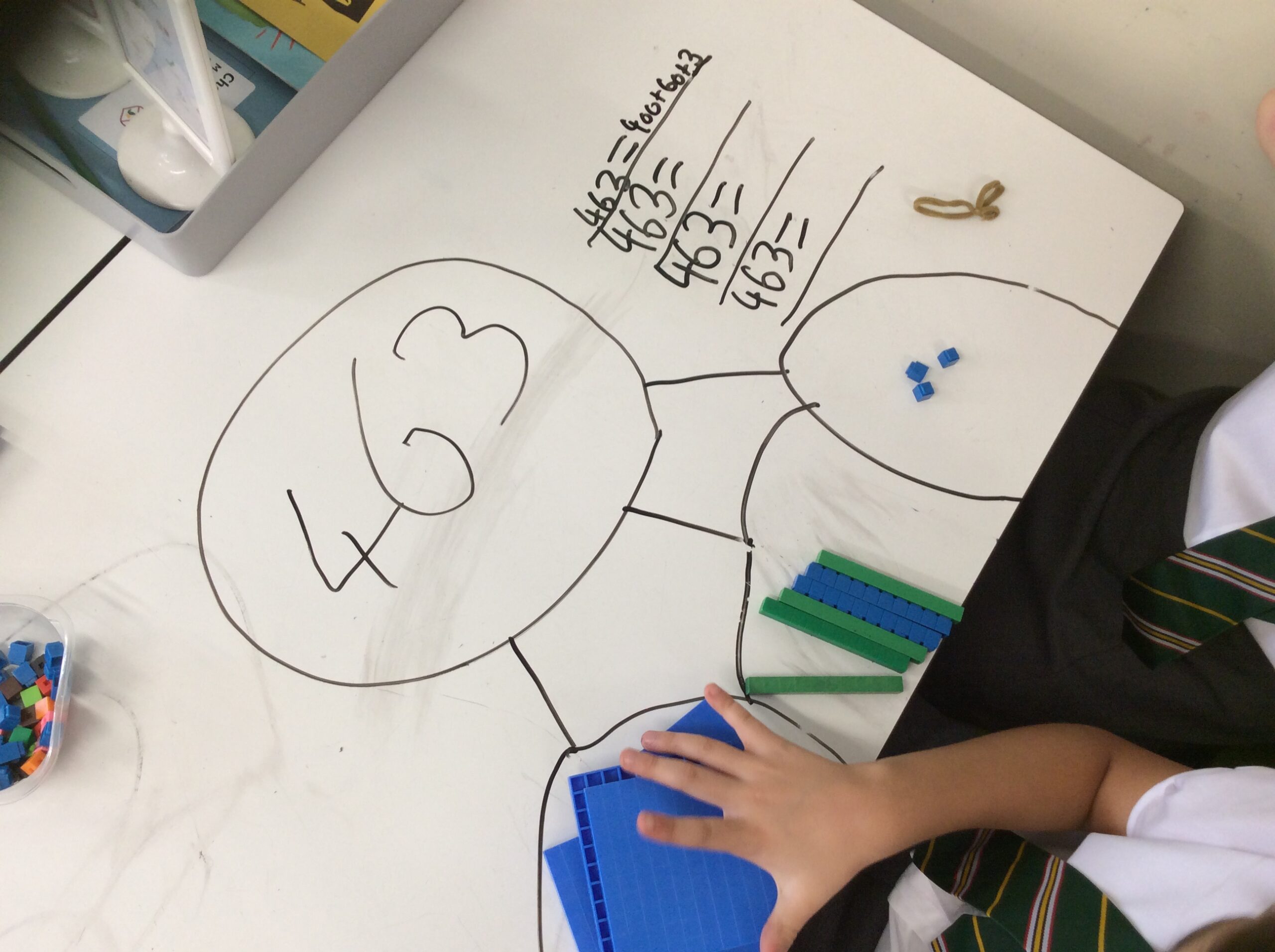
Once we were confident with standard partitioning, we moved on to flexible partitioning. Using Base 10 resources and part-whole models, the children investigated different ways of partitioning the same number. Flexible partitioning means that we do not always have to separate a number into hundreds, tens and ones. Instead, we can break it into parts in different ways while keeping the total the same. For example:
356 = 300 + 50 + 6
but it can also be partitioned as:
356 = 200 + 150 + 6
or
356 = 110 + 240 + 6
The children discovered that numbers can be partitioned in many different ways and that each representation still has the same value. The class worked enthusiastically and carefully with their partners, using practical resources to test their ideas and explain their mathematical thinking.
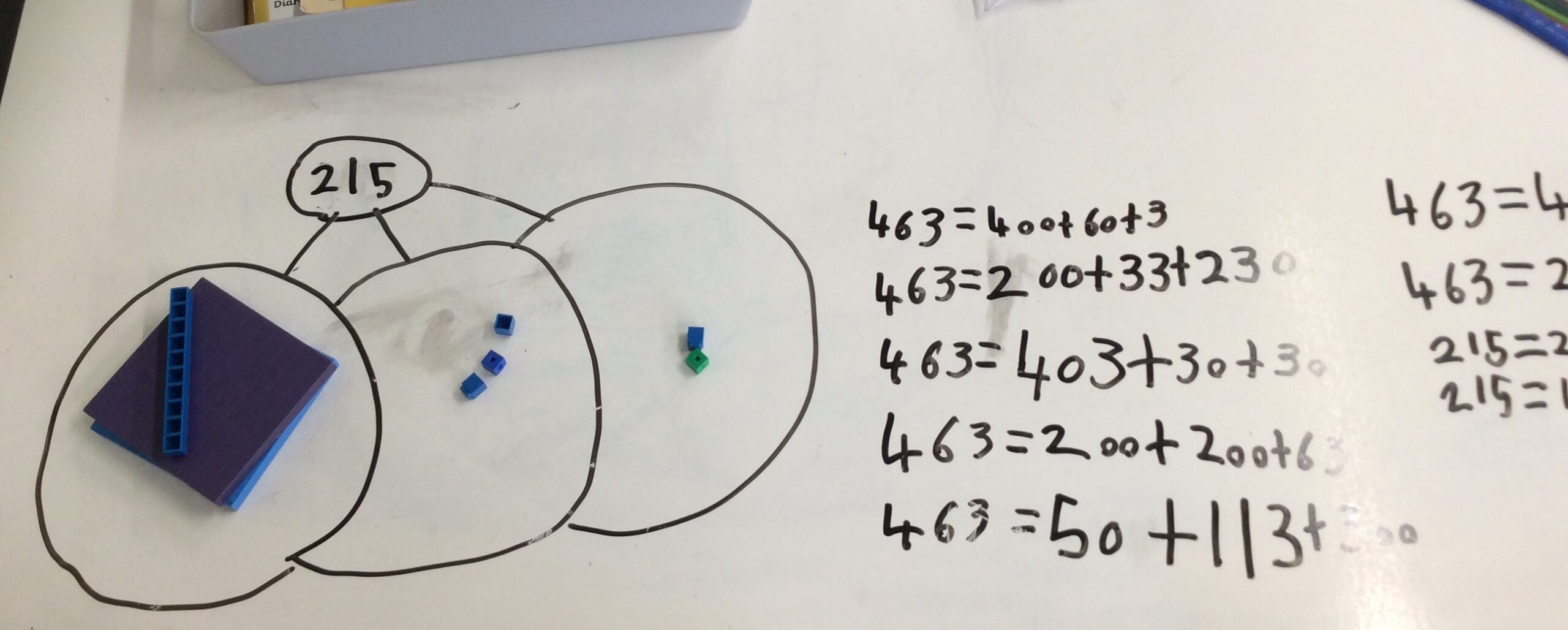
It was wonderful to hear their mathematical discussions taking place as the children explored their new learning! Well done, Year 3!